 Language
 English
 русский
 Español
 عربى
عربى
Industry News
What is a galvanized light pole?
Content
- 1 What is a galvanized light pole?
- 1.1 The Hot-Dip Galvanization Process Explained
- 1.2 Key Structural and Material Properties
- 1.3 Common Types and Configurations
- 1.4 Why Galvanization Outperforms Other Protective Treatments
- 1.5 Environmental and Weather Performance
- 1.6 Compatibility With Lighting Fixtures and Mounting Systems
- 1.7 Installation Methods: Direct Burial vs. Base Plate
- 1.8 Maintenance Requirements and Service Life Expectations
- 1.9 Galvanized vs. Aluminum and Fiberglass Light Poles
- 1.10 Applicable Standards and Specifications
- 2 What are the advantages of galvanized light poles?
- 2.1 Superior Corrosion Resistance in Outdoor Environments
- 2.2 Exceptional Service Life of 50 Years or More
- 2.3 Minimal Maintenance Requirements Over the Full Service Period
- 2.4 Lower Total Lifecycle Cost Compared to Painted Alternatives
- 2.5 High Structural Strength for Demanding Load Conditions
- 2.6 Uniform and Complete Coating Coverage on All Surfaces
- 2.7 Resilience Across Extreme Weather Conditions
- 2.8 Versatile Compatibility With Lighting Fixtures and Mounting Configurations
- 2.9 Environmental Sustainability and Full Recyclability
- 2.10 Compliance With International Standards and Specifications
- 2.11 Advantages Summary: Galvanized vs. Painted Steel Light Poles
- 3 Why choose galvanized light poles?
- 3.1 Long-Term Corrosion Protection That Outlasts Paint and Other Coatings
- 3.2 A Service Life of 50 Years or More Reduces Infrastructure Replacement Cycles
- 3.3 Minimal Maintenance Burden Across the Full Service Period
- 3.4 Lower Total Cost of Ownership Over a 30–50 Year Horizon
- 3.5 Proven Structural Performance Under Extreme Loads and Weather
- 3.6 Suitable for the Most Challenging Installation Environments
- 3.7 Complete Coverage of All Steel Surfaces, Including Welds and Interiors
- 3.8 Flexibility Across Lighting Applications and Fixture Types
- 3.9 Strong Alignment With Sustainable Infrastructure Goals
- 3.10 Backed by Internationally Recognized Standards and Engineering Specifications
- 3.11 How Galvanized Poles Compare to Key Alternatives
- 4 Which is better: galvanized steel light poles or aluminum light poles?
- 4.1 Material Properties: Steel Strength vs. Aluminum Lightness
- 4.2 Corrosion Resistance: Two Different Protection Mechanisms
- 4.3 Service Life and Long-Term Durability Comparison
- 4.4 Structural Capacity: Why Steel Dominates for Tall and Heavy-Duty Applications
- 4.5 Installation and Handling: Aluminum's Weight Advantage in Practice
- 4.6 Maintenance Requirements Over the Service Life
- 4.7 Aesthetic and Design Flexibility
- 4.8 Sustainability and Environmental Impact
- 4.9 Application-by-Application Recommendation
- 4.10 Full Head-to-Head Comparison Summary
- 5 How to choose the right galvanized light pole?
- 5.1 Step 1: Define the Application and Required Pole Height
- 5.2 Step 2: Determine the Structural Load Requirements
- 5.3 Step 3: Specify the Correct Zinc Coating Thickness for the Environment
- 5.4 Step 4: Select the Pole Shape and Cross-Section
- 5.5 Step 5: Choose the Right Mounting Configuration and Arm Type
- 5.6 Step 6: Decide Between Direct Burial and Base Plate Installation
- 5.7 Step 7: Verify Wall Thickness and Steel Grade Against Structural Requirements
- 5.8 Step 8: Confirm Electrical and Access Features
- 5.9 Step 9: Check Applicable Standards and Request Certification Documentation
- 5.10 Quick-Reference Selection Checklist
What is a galvanized light pole?
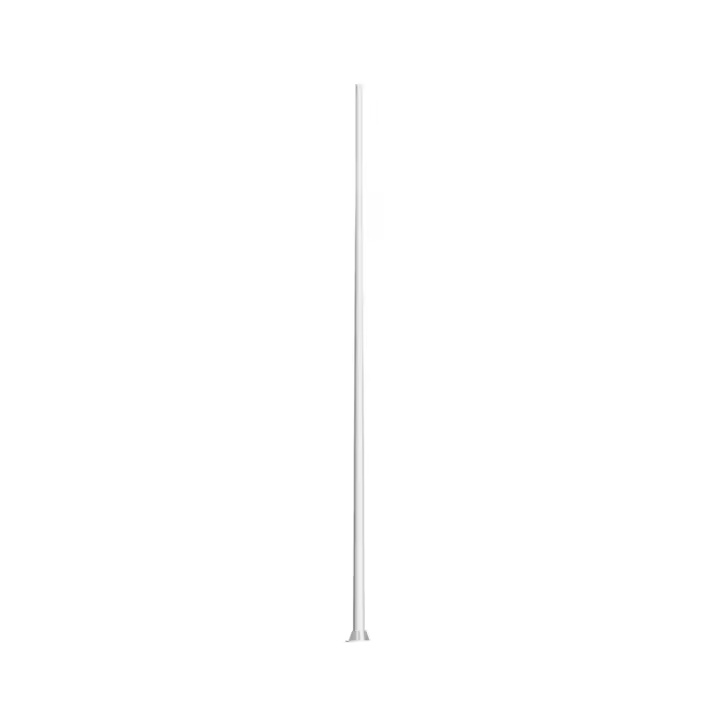
A galvanized light pole is a steel or iron pole that has been coated with a protective layer of zinc through a hot-dip galvanization process, specifically engineered to support outdoor lighting fixtures. These poles are widely used in street lighting, parking lots, parks, highways, and urban infrastructure projects. The zinc coating serves as a physical and electrochemical barrier against rust and corrosion, dramatically extending the pole's service life — typically 50 years or more in standard outdoor environments compared to 10–15 years for uncoated steel.
Galvanized light poles are engineered for both structural performance and long-term cost efficiency, making them one of the most widely specified pole types in municipal and commercial lighting projects worldwide.
The Hot-Dip Galvanization Process Explained
The defining characteristic of a galvanized light pole is the method used to apply its protective zinc coating. Hot-dip galvanization involves immersing the fabricated steel pole into a bath of molten zinc at approximately 450°C (842°F). The zinc metallurgically bonds with the steel surface, forming multiple intermetallic alloy layers and an outer pure-zinc layer.
This process differs from other coating methods in several important ways:
- Paint or powder coating sits on the steel surface and can chip or peel, exposing the metal beneath.
- Electro-galvanization deposits a much thinner zinc layer (typically 5–25 microns) with lower corrosion resistance.
- Hot-dip galvanization produces a coating of 45–200+ microns, depending on steel grade and specification, and provides cathodic (sacrificial) protection — meaning even if the coating is scratched, the surrounding zinc still protects the exposed steel.
Standards such as ASTM A123 (North America) and ISO 1461 (international) govern minimum coating thicknesses and testing procedures for hot-dip galvanized structural products including light poles.
Key Structural and Material Properties
Galvanized light poles are not simply coated pipes — they are purpose-engineered structural members. The following properties define their performance in real-world installations:
Base Steel Grades
Most galvanized light poles are manufactured from structural steel grades such as ASTM A572 Grade 50 (yield strength: 345 MPa / 50 ksi) or equivalent. Higher-strength grades are used for tall poles or locations with high wind loads.
Wall Thickness and Taper
Poles are typically tapered from base to top to optimize weight while maintaining bending moment resistance. Wall thickness commonly ranges from 3 mm to 8 mm depending on pole height and wind zone classification.
Corrosion Resistance Rating
In salt spray testing per ASTM B117, hot-dip galvanized steel can withstand over 1,000 hours without red rust formation, making galvanized poles suitable for coastal, industrial, and high-humidity environments.
Common Types and Configurations
Galvanized light poles come in a range of designs to suit different applications. The table below summarizes common pole types and their typical specifications:
| Pole Type | Typical Height | Common Application | Mounting Style |
|---|---|---|---|
| Round Tapered | 6–12 m (20–40 ft) | Roadway, residential streets | Direct burial or base plate |
| Square Tapered | 6–10 m (20–33 ft) | Parking lots, pedestrian areas | Anchor bolt base plate |
| High Mast | 20–40 m (65–130 ft) | Highways, airports, stadiums | Heavy anchor bolt foundation |
| Decorative Fluted | 3–8 m (10–26 ft) | Parks, plazas, historic districts | Base plate or direct burial |
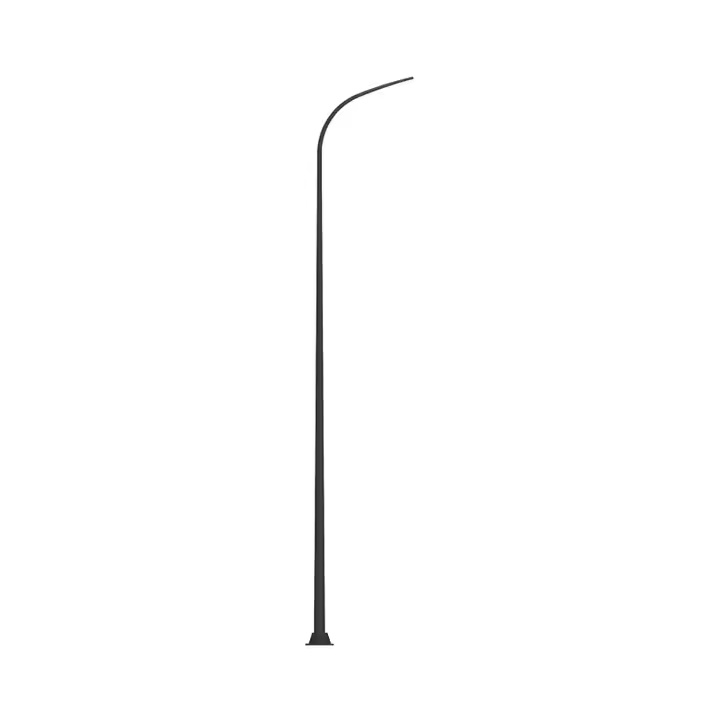
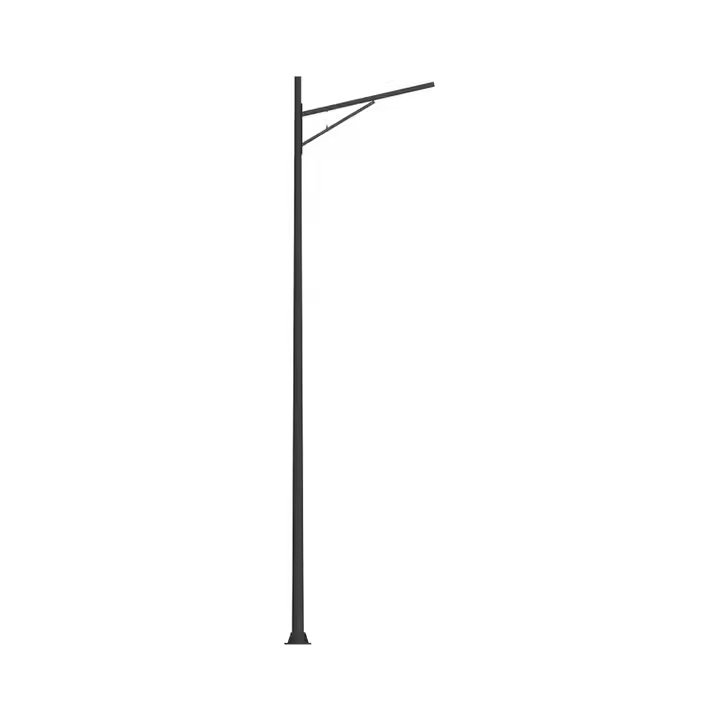
| Arm / Davit | 8–14 m (26–46 ft) | Arterial roads, commercial zones | Base plate with extended arm |
Why Galvanization Outperforms Other Protective Treatments
For outdoor lighting poles exposed to moisture, road salts, UV radiation, and temperature cycling, the protective treatment choice significantly impacts total cost of ownership. Galvanization offers several measurable advantages:
- No repainting required: Unlike painted steel, galvanized poles do not require periodic recoating. Studies indicate that hot-dip galvanized steel in typical urban environments does not require maintenance for 20–30 years.
- Cathodic protection: Zinc acts as a sacrificial anode, corroding preferentially to protect exposed steel at scratches or cut edges — a property paint coatings cannot replicate.
- Full surface coverage: The immersion process coats internal surfaces, welds, and difficult geometries uniformly, unlike spray-applied coatings.
- Impact resistance: The zinc-iron alloy layers are metallurgically bonded, not mechanically adhered, making the coating resistant to impact and abrasion during transportation and installation.
- Lower lifecycle cost: Despite higher initial material cost versus painted alternatives, the elimination of maintenance repainting cycles results in lower total cost over a 30–50 year service period.
Environmental and Weather Performance
Galvanized light poles are designed to maintain structural integrity across a wide range of environmental conditions. Key performance benchmarks include:
Wind Load Resistance
Poles are typically engineered to withstand design wind speeds per local building codes. In many jurisdictions, street lighting poles must resist wind speeds of 100–160 km/h (62–100 mph) depending on geographic wind zone classification. The pole's taper ratio, wall thickness, and base plate design are calculated to ensure adequate safety factors under these loads.
Temperature Range
Galvanized steel maintains its mechanical properties across a temperature range of approximately -40°C to +150°C (-40°F to +302°F), well beyond the extremes encountered in virtually all outdoor installation sites worldwide.
UV and Chemical Exposure
Unlike polymer coatings, zinc does not degrade under prolonged UV exposure. In industrial or coastal environments with elevated chloride or sulfur dioxide levels, zinc corrosion rates increase but remain predictable — typically 1–10 microns per year depending on pollution category, allowing for accurate service life estimation.
Compatibility With Lighting Fixtures and Mounting Systems
A key practical advantage of galvanized light poles is their compatibility with a broad range of lighting systems and mounting hardware. Standard features include:
- Standard tenon tops: Most poles are supplied with 60 mm (2-3/8 inch) or 76 mm (3 inch) outer diameter tenons compatible with common luminaire slip-fitter mounting, accommodating LED roadway fixtures, cobra-head luminaires, and area lights.
- Multiple arm configurations: Single arm, double arm, and decorative bracket arm versions allow one to four luminaires per pole, enabling efficient spacing in wide roadway or parking lot applications.
- Internal cable routing: Poles include pre-drilled access holes and internal hand holes with bolt-on covers, allowing concealed electrical conduit routing for a clean, vandal-resistant installation.
- Grounding provisions: Welded grounding lugs and bonding connections are standard on most specifications, simplifying electrical grounding compliance.
Galvanized poles are compatible with LED, metal halide, high-pressure sodium, and induction luminaire types, ensuring they remain functional as lighting technology evolves over their multi-decade service life.
Installation Methods: Direct Burial vs. Base Plate
Galvanized light poles are installed using one of two primary methods, each suited to different site conditions:
Direct Burial
The lower portion of the pole (typically 10% of pole height + 600 mm, per common engineering rules) is set directly into a concrete foundation or compacted soil. This method is faster and lower in material cost but makes pole replacement more labor-intensive. Direct burial poles often receive additional zinc-rich primer or bituminous coating at the soil interface to further protect the buried section.
Anchor Bolt Base Plate
The pole is welded to a steel base plate and secured to a pre-cast concrete foundation using 4–8 anchor bolts, typically M24–M36 grade. This method allows precise leveling, easier pole replacement without excavation, and is preferred for tall poles, high wind zones, and locations where future access is likely. Anchor bolt templates are supplied with the pole for accurate foundation casting.
Maintenance Requirements and Service Life Expectations
One of the primary arguments for specifying galvanized light poles in public infrastructure projects is their minimal maintenance demand. Practical maintenance guidelines include:
- Visual inspection every 5–10 years to check for white rust (zinc carbonate formation, cosmetic only) or red rust (indicates zinc depletion requiring attention).
- Touch-up with zinc-rich paint (minimum 92% zinc by dry weight) for any mechanical damage exceeding 10 mm in diameter, per ASTM A780 repair guidelines.
- Structural inspection after severe weather events such as hurricanes, ice storms, or vehicle impact to assess base plate welds and anchor bolt integrity.
- Cleaning with mild detergent in high-pollution or coastal areas every 2–5 years to remove surface deposits that accelerate zinc corrosion.
With proper installation and basic inspection, hot-dip galvanized light poles consistently achieve 50-year service lives in moderate environments, and 30+ years in aggressive coastal or industrial settings.
Galvanized vs. Aluminum and Fiberglass Light Poles
When selecting a light pole material, galvanized steel is frequently compared against aluminum and fiberglass reinforced polymer (FRP) alternatives. The comparison below highlights key differences:
| Property | Galvanized Steel | Aluminum | Fiberglass (FRP) |
|---|---|---|---|
| Tensile Strength | High (345–550 MPa) | Moderate (160–310 MPa) | Moderate (variable) |
| Weight | Heavy | Light (~1/3 of steel) | Light |
| Corrosion Resistance | Excellent (zinc protection) | Good (natural oxide) | Excellent (non-metallic) |
| Impact Resistance | Excellent | Good | Good (may crack) |
| Typical Service Life | 50+ years | 40–50 years | 30–50 years |
| Recyclability | 100% recyclable | 100% recyclable | Difficult to recycle |
Galvanized steel poles are preferred where high structural loads, vehicle impact risk, or tall pole heights are involved. Aluminum is commonly chosen for decorative or pedestrian-scale applications where weight savings reduce installation cost. FRP poles are selected primarily in electrically sensitive environments or where electrolytic corrosion with aluminum hardware is a concern.
Applicable Standards and Specifications
Galvanized light poles supplied for infrastructure projects are typically manufactured and tested against one or more of the following industry standards:
- ASTM A123 / A123M — Standard Specification for Zinc (Hot-Dip Galvanized) Coatings on Iron and Steel Products
- ASTM A572 — High-Strength Low-Alloy Columbium-Vanadium Structural Steel (base material standard)
- AASHTO LTS-6 — Standard Specifications for Structural Supports for Highway Signs, Luminaires, and Traffic Signals
- IEC 60598 / EN 40 — European standards for luminaire support poles, including mechanical and dimensional requirements
- ISO 1461 — Hot dip galvanized coatings on fabricated iron and steel articles (international standard)
- ASTM A780 — Standard Practice for Repair of Damaged and Uncoated Areas of Hot-Dip Galvanized Coatings
Municipal and public works specifications typically require certified mill test reports (CMTRs), coating thickness test results (measured per ASTM E376 using magnetic thickness gauges), and visual inspection certificates prior to acceptance of delivered poles.
What are the advantages of galvanized light poles?
Galvanized light poles offer a compelling combination of corrosion resistance, structural strength, long service life, low maintenance demand, and lifecycle cost efficiency that makes them the preferred choice for street lighting, parking lots, highways, parks, and urban infrastructure worldwide. The hot-dip galvanization process bonds a protective zinc coating directly to the steel substrate, creating a barrier that withstands decades of outdoor exposure without the ongoing maintenance burden associated with painted or uncoated alternatives.
The following sections examine each major advantage in detail, supported by performance data and real-world application context.
Superior Corrosion Resistance in Outdoor Environments
The most fundamental advantage of galvanized light poles is their exceptional resistance to corrosion. During the hot-dip galvanization process, the steel pole is immersed in molten zinc at approximately 450°C (842°F), forming multiple metallurgically bonded zinc-iron alloy layers topped by an outer pure-zinc layer. This coating protects the steel through two distinct mechanisms:
- Barrier protection: The zinc coating physically seals the steel surface from moisture, oxygen, road salts, and atmospheric pollutants that drive corrosion.
- Cathodic (sacrificial) protection: Zinc is electrochemically more active than steel. If the coating is scratched or damaged, the surrounding zinc corrodes preferentially, protecting the exposed steel — a property that paint coatings are fundamentally unable to provide.
In standardized salt spray testing per ASTM B117, hot-dip galvanized steel withstands over 1,000 hours before red rust formation, compared to 200–500 hours for high-quality epoxy-painted steel. In real-world coastal environments with elevated chloride exposure, galvanized poles continue to perform reliably for 30+ years with minimal maintenance.
Exceptional Service Life of 50 Years or More
Galvanized light poles installed in typical urban or suburban environments routinely achieve service lives of 50 years or longer. This longevity results from the predictable, measurable consumption rate of the zinc coating. In most climates, zinc corrodes at a rate of 1–10 microns per year depending on pollution category (as classified by ISO 9223). Since hot-dip galvanized coatings on structural poles typically range from 85 to 200+ microns in thickness, the available zinc reserve translates directly into decades of corrosion protection.
The table below illustrates estimated service life based on coating thickness and environment:
| Environment Type | Zinc Corrosion Rate | Coating Thickness | Estimated Service Life |
|---|---|---|---|
| Rural / Low Pollution | 1–2 µm/year | 85 µm | 40–85 years |
| Urban / Moderate Pollution | 2–4 µm/year | 100 µm | 25–50 years |
| Coastal / High Chloride | 4–8 µm/year | 150 µm | 20–37 years |
| Industrial / High Pollution | 6–10 µm/year | 200 µm | 20–33 years |
Minimal Maintenance Requirements Over the Full Service Period
Compared to painted steel poles, which typically require repainting every 5–10 years to prevent rust, galvanized light poles demand very little active maintenance throughout their service life. This advantage is particularly significant for municipalities and facility managers overseeing large pole inventories across extensive road networks or campuses.
Typical maintenance activities for galvanized poles are limited to:
- Visual inspection every 5–10 years to monitor zinc coating condition and identify any structural concerns.
- Minor touch-up with zinc-rich paint (per ASTM A780) only if mechanical damage exposes steel areas larger than approximately 10 mm in diameter.
- Cleaning with mild detergent in high-pollution or coastal zones every 2–5 years to remove surface deposits that can accelerate localized zinc consumption.
In contrast, uncoated or paint-protected poles require regular inspections, surface preparation, and recoating cycles — each involving lane closures, equipment mobilization, and labor costs that accumulate substantially over a 30–50 year period.
Lower Total Lifecycle Cost Compared to Painted Alternatives
While galvanized light poles carry a higher initial material cost than painted steel equivalents, their total cost of ownership over a 30–50 year service life is consistently lower. The lifecycle cost advantage comes from three sources:
- Eliminated recoating costs: Painted poles require 3–5 repainting cycles over 50 years. Each cycle involves surface preparation (blast cleaning or hand tool cleaning), coating application, and inspection — costs that galvanized poles avoid entirely.
- Reduced replacement frequency: A galvanized pole lasting 50 years requires one replacement where a painted pole lasting 20 years requires two or three over the same period, multiplying both material and installation costs.
- Lower inspection overhead: The predictable, slow zinc consumption rate reduces the frequency and urgency of structural inspections compared to painted poles where hidden rust can progress rapidly beneath deteriorating coatings.
Lifecycle cost analyses conducted for public infrastructure projects consistently show galvanized steel delivering 15–40% lower total cost versus painted alternatives when evaluated over a 50-year period, depending on maintenance labor rates and replacement assumptions.
High Structural Strength for Demanding Load Conditions
Galvanized light poles are manufactured from structural steel grades with high tensile strength — typically ASTM A572 Grade 50 (minimum yield strength 345 MPa / 50 ksi) or equivalent international grades. The galvanization process does not reduce the mechanical properties of the base steel; tensile strength, yield strength, and ductility remain unchanged after hot-dip treatment.
This structural performance enables galvanized poles to handle demanding load combinations encountered in real installations:
- Wind loads: Poles are engineered to withstand design wind speeds of 100–160 km/h (62–100 mph) in standard wind zones, with high-wind-zone variants designed for hurricane-prone regions.
- Luminaire and arm loads: Multi-arm configurations carrying two to four luminaires, combined with ice loading in cold climates, create significant cantilever bending moments that require robust steel sections.
- Impact resistance: In roadside locations, poles may experience vehicle impact. The high ductility of structural steel allows galvanized poles to absorb impact energy through deformation rather than sudden fracture, an important safety characteristic.
Steel's high strength-to-section ratio also allows galvanized poles to achieve heights of 20–40 meters (65–130 feet) for high-mast highway and airport applications, where aluminum or fiberglass alternatives are structurally impractical.
Uniform and Complete Coating Coverage on All Surfaces
The immersion-based hot-dip galvanization process provides a critical advantage over spray-applied coatings: complete, uniform zinc coverage on all surfaces, including internal bore surfaces, welds, recessed areas, bolt holes, and complex geometry features. This matters significantly for light poles because:
- The interior of a direct-burial pole section below ground receives the same zinc protection as the exterior, preventing internal corrosion that cannot be inspected or maintained after installation.
- Welds — the most vulnerable points in fabricated steel structures — are fully coated, eliminating the corrosion initiation sites common with painted poles where coating application over welds is inconsistent.
- Hand holes, cable entry points, and base plate anchor bolt areas are coated uniformly, preventing crevice corrosion at these structurally critical connection zones.
Coating thickness on galvanized structural poles is verified by magnetic thickness gauges per ASTM E376, with minimum values governed by ASTM A123 — providing a documented, traceable quality record that spray coating processes cannot match with equivalent reliability.
Resilience Across Extreme Weather Conditions
Galvanized light poles maintain their structural and protective performance across a broad range of environmental conditions that challenge other materials and coating systems:
Temperature Extremes
Galvanized steel retains mechanical properties and coating adhesion from -40°C to +150°C (-40°F to +302°F) — a range that exceeds the operating conditions of virtually every outdoor installation site globally. Unlike polymer coatings, zinc does not become brittle at low temperatures or soften at high ambient temperatures.
UV Radiation
Zinc is inherently UV-stable. Unlike organic coatings (paints, powder coats) that chalk, fade, and lose adhesion after years of UV exposure, the zinc coating on a galvanized pole does not degrade photochemically. This is especially relevant in high-UV climates such as desert, tropical, and high-altitude environments where painted poles require recoating on accelerated schedules.
Road Salt and De-Icing Chemical Exposure
In cold-climate regions where road salt or calcium chloride de-icers are used seasonally, galvanized poles provide substantially better resistance than painted steel. The zinc coating withstands chloride attack that rapidly deteriorates paint films and promotes under-film corrosion on conventional steel poles, which is a leading cause of structural failure at the pole base in northern climates.
Versatile Compatibility With Lighting Fixtures and Mounting Configurations
Galvanized light poles are engineered to be compatible with a wide range of luminaire types and mounting systems, providing project flexibility without compromising structural or protective performance:
- Standard tenon tops (60 mm / 76 mm OD) accept virtually all modern luminaire slip-fitter mounts, including LED street lights, area lights, and decorative fixtures.
- Single and multi-arm configurations allow one to four luminaires per pole, enabling efficient spacing in parking lots, arterial roads, and highway median applications.
- Internal cable conduit routing through pre-drilled access holes provides a clean, vandal-resistant electrical installation compatible with both direct burial and base plate mounting styles.
- Compatibility with LED, metal halide, high-pressure sodium, and induction luminaire technologies ensures galvanized poles remain functional as lighting technology evolves over their multi-decade service life.
This versatility means that a single galvanized pole specification can serve multiple phases of a project or be re-equipped with upgraded luminaires without pole replacement, extending the infrastructure investment further.
Environmental Sustainability and Full Recyclability
Galvanized light poles offer meaningful environmental advantages that align with sustainable infrastructure procurement objectives:
- 100% recyclable at end of service life: Both steel and zinc are infinitely recyclable without loss of material properties. Over 80% of zinc used in galvanizing enters the recycling stream at end of life, and structural steel has one of the highest recycling rates of any construction material globally.
- Reduced replacement frequency lowers embodied carbon: A galvanized pole lasting 50 years avoids the manufacturing, transportation, and installation emissions of 2–3 replacement cycles that shorter-lived alternatives require over the same period.
- No ongoing chemical maintenance: Unlike some protective treatments that require solvent-based coatings or primers during maintenance cycles, galvanized poles require no chemical reapplication under normal service conditions — eliminating related VOC emissions and hazardous waste handling.
- Long-term zinc stability: Zinc corrosion products (zinc carbonate / patina) that form on the pole surface are chemically stable, insoluble, and non-toxic to soil and groundwater ecosystems in quantities released from outdoor infrastructure.
Compliance With International Standards and Specifications
A practical advantage of specifying galvanized light poles for public and commercial projects is the availability of well-established, internationally recognized standards governing every aspect of their manufacture, coating quality, and structural performance. This standards framework provides:
- Documented coating quality: ASTM A123 and ISO 1461 define minimum zinc coating thicknesses and adhesion requirements, with compliance verified by traceable test reports — providing procurement and inspection confidence that painted poles cannot match.
- Structural design basis: AASHTO LTS-6 (North America) and EN 40 (Europe) provide standardized wind load and fatigue design methods specific to lighting poles, enabling engineering sign-off on galvanized pole installations in regulated jurisdictions.
- Repair procedures: ASTM A780 defines accepted methods for touching up damaged zinc coating areas, ensuring maintenance work restores protection to a documented standard rather than relying on ad hoc repair practices.
This compliance infrastructure simplifies specification writing, procurement tendering, acceptance inspection, and long-term asset management for infrastructure owners and their engineering teams.
Advantages Summary: Galvanized vs. Painted Steel Light Poles
The table below provides a direct comparison of key performance attributes between galvanized and painted steel light poles:
| Attribute | Galvanized Steel Pole | Painted Steel Pole |
|---|---|---|
| Corrosion Protection Mechanism | Barrier + cathodic (sacrificial) | Barrier only |
| Typical Service Life | 50+ years | 15–25 years |
| Maintenance Recoating Cycles | None required | 3–5 cycles over 50 years |
| UV Resistance | Inherent (zinc is UV-stable) | Degrades over time |
| Internal Surface Protection | Full (immersion process) | Partial or none |
| Scratch / Damage Self-Protection | Yes (cathodic protection) | No (rust spreads from damage) |
| Recyclability | 100% | Steel recyclable; paint waste generated |
| Standards Compliance Verification | Measurable (ASTM A123 / ISO 1461) | Less precise; DFT measurement only |
Why choose galvanized light poles?
Galvanized light poles are the right choice for outdoor lighting infrastructure because they deliver a proven combination of long-term corrosion protection, structural reliability, minimal maintenance, lifecycle cost efficiency, and sustainability that no other pole material or coating system matches across all project types and environments. Whether the application is a municipal street network, a commercial parking facility, a highway corridor, or a public park, galvanized poles consistently outperform painted steel, uncoated steel, and many alternative materials over a 30–50 year service horizon.
The sections below explain the specific, data-backed reasons why engineers, infrastructure owners, and procurement managers consistently specify galvanized light poles for both new installations and replacement programs.
Long-Term Corrosion Protection That Outlasts Paint and Other Coatings
Outdoor lighting poles face continuous exposure to moisture, road salts, industrial pollutants, UV radiation, and temperature cycling — conditions that progressively destroy unprotected steel surfaces. Galvanized poles address this challenge through hot-dip galvanization, in which the steel is immersed in molten zinc at approximately 450°C (842°F), creating a metallurgically bonded zinc-iron alloy coating that protects through two distinct mechanisms:
- Physical barrier protection: The zinc coating seals all steel surfaces from direct contact with corrosive agents, including oxygen, moisture, chlorides, and sulfur compounds.
- Cathodic (sacrificial) protection: Because zinc is electrochemically more active than iron, it corrodes preferentially at any scratch, cut edge, or damaged area — protecting the exposed steel beneath. Paint coatings offer barrier protection only and lose effectiveness as soon as the film is broken.
In standardized salt spray testing per ASTM B117, hot-dip galvanized steel resists red rust formation for over 1,000 hours — more than twice the performance of high-quality epoxy-painted steel. This translates directly into decades of reliable corrosion protection in real-world installations without recoating interventions.
A Service Life of 50 Years or More Reduces Infrastructure Replacement Cycles
One of the most compelling reasons to choose galvanized light poles is their documented service longevity. The zinc coating on a hot-dip galvanized pole corrodes at a predictable, measurable rate — typically 1–10 microns per year depending on the local pollution category as defined by ISO 9223. Since standard hot-dip galvanized structural poles carry zinc coatings of 85–200+ microns in thickness, the available zinc reserve translates into decades of protection before any steel is exposed.
| Installation Environment | Zinc Consumption Rate | Typical Coating Thickness | Expected Service Life |
|---|---|---|---|
| Rural / Low Pollution | 1–2 µm/year | 85 µm | 40–85 years |
| Urban / Moderate Pollution | 2–4 µm/year | 100 µm | 25–50 years |
| Coastal / High Chloride | 4–8 µm/year | 150 µm | 20–37 years |
| Industrial / High Pollution | 6–10 µm/year | 200 µm | 20–33 years |
For infrastructure owners, a 50-year service life means that a galvanized pole installed today may never require replacement within the planning horizon of the current asset management program — a significant operational and budgetary advantage over shorter-lived alternatives.
Minimal Maintenance Burden Across the Full Service Period
For any organization managing dozens, hundreds, or thousands of outdoor light poles, maintenance workload is a critical operational factor. Galvanized poles drastically reduce this burden compared to painted alternatives, which typically require recoating every 5–10 years — an activity involving lane closures, surface preparation, coating application, inspection, and waste disposal.
The complete maintenance program for a galvanized light pole in a normal urban environment consists of:
- Visual inspection every 5–10 years to assess zinc coating condition. White rust (zinc carbonate) is cosmetic and self-limiting; red rust signals zinc depletion requiring attention.
- Spot touch-up with zinc-rich paint (per ASTM A780, minimum 92% zinc by dry weight) only where mechanical damage exposes bare steel areas larger than approximately 10 mm.
- Mild detergent wash every 2–5 years in coastal or heavy industrial zones to remove chloride or sulfur deposits that accelerate localized zinc consumption.
- Post-event structural check after severe weather events (hurricanes, ice storms) or vehicle collisions to verify base plate and anchor bolt integrity.
No repainting program. No sandblasting. No scheduled coating renewal. This simplicity is a primary reason why municipal infrastructure departments and highway agencies consistently choose galvanized poles for large-scale network deployments.
Lower Total Cost of Ownership Over a 30–50 Year Horizon
Galvanized light poles carry a higher initial material cost than painted steel equivalents, which causes some procurement decisions to favor lower-cost alternatives on a first-cost basis. However, lifecycle cost analyses consistently reverse this conclusion when total ownership costs are evaluated over 30–50 years.
The lifecycle cost advantage of galvanized poles derives from three converging factors:
- Eliminated recoating cycles: A painted steel pole requires 3–5 repainting cycles over 50 years. Each cycle involves mobilization, surface preparation (often blast cleaning to Sa 2.5 standard), coating application across multiple coats, and inspection — costs that galvanized poles avoid entirely.
- Fewer replacement events: A galvanized pole lasting 50 years replaces two or three painted poles over the same period, multiplying material procurement, transportation, excavation, foundation work, and installation labor.
- Reduced inspection and intervention costs: The slow, predictable zinc consumption rate reduces the frequency and urgency of structural interventions compared to painted poles, where hidden under-film corrosion can progress rapidly to structural failure without visible warning.
Infrastructure lifecycle assessments consistently find galvanized steel delivering 15–40% lower total cost over 50 years compared to painted steel alternatives, depending on maintenance labor rates, replacement assumptions, and discount rates applied to future expenditure.
Proven Structural Performance Under Extreme Loads and Weather
Galvanized light poles are not simply coated pipes — they are purpose-engineered structural members designed to carry lighting loads safely under the full range of environmental conditions encountered during a multi-decade service life.
High-Strength Base Steel
Most galvanized light poles are manufactured from structural steel grades such as ASTM A572 Grade 50 (minimum yield strength 345 MPa / 50 ksi). The hot-dip galvanization process does not reduce tensile strength, yield strength, or ductility — the base steel mechanical properties are fully preserved after coating.
Wind Load Capacity
Standard galvanized light poles are engineered to withstand design wind speeds of 100–160 km/h (62–100 mph) per local building code wind zone classifications. High-mast poles for highway and airport applications are designed for even more demanding load combinations, reaching heights of 20–40 meters (65–130 feet) — heights where aluminum and fiberglass alternatives are structurally impractical.
Temperature and UV Stability
Galvanized steel maintains structural and coating integrity across a temperature range of -40°C to +150°C (-40°F to +302°F). Unlike organic coatings that chalk, crack, or delaminate under UV radiation, zinc does not photodegrade — making galvanized poles equally suitable for desert, tropical, Arctic, and high-altitude environments without special coating formulations.
Suitable for the Most Challenging Installation Environments
Galvanized light poles are specifically well-suited to environments where other pole types and coating systems struggle most. Project teams should strongly consider galvanized poles when any of the following conditions apply:
| Challenging Condition | Why Galvanized Poles Excel | Typical Application |
|---|---|---|
| Coastal / marine exposure | Zinc resists chloride attack; cathodic protection at any damage point | Seaside roads, port facilities, beachfront parks |
| Road salt / de-icing zones | Zinc coating withstands seasonal chloride splash that destroys paint films | Northern roadways, highway intersections, bridges |
| Industrial / high pollution | Thick zinc coating (up to 200 µm) provides extended reserve against acid deposition | Factory complexes, logistics hubs, mining sites |
| High wind / hurricane zones | High-strength steel sections absorb extreme wind loads; ductile failure mode | Coastal highways, airports, stadium perimeters |
| High UV / desert climates | Zinc is UV-stable; no photodegradation unlike organic coatings | Desert highways, arid-region urban development |
| Remote / low-access sites | Near-zero maintenance requirement reduces costly site visits | Rural roads, national parks, remote industrial facilities |
Complete Coverage of All Steel Surfaces, Including Welds and Interiors
The immersion process used in hot-dip galvanization ensures that every surface of the pole receives uniform zinc protection — including internal bore surfaces, welds, hand holes, base plate connections, and complex geometric transitions. This is a critical advantage that spray-applied coatings cannot replicate:
- The interior of a direct-burial pole section — which is permanently below ground and inaccessible after installation — receives the same zinc coating as the visible exterior, preventing internal corrosion that cannot be inspected or repaired in service.
- Weld seams, the most corrosion-prone locations in fabricated steel structures, are fully coated. Paint applied over welds is notoriously inconsistent in thickness and adhesion, leading to corrosion initiation at these structural critical points.
- Anchor bolt areas and base plate crevices — common corrosion failure zones for roadside poles — are zinc-coated, providing long-term protection at these structurally loaded connections.
Coating thickness is verified by magnetic gauges per ASTM E376 and governed by minimum values in ASTM A123, providing a documented and traceable quality record with every delivery.
Flexibility Across Lighting Applications and Fixture Types
Choosing galvanized light poles does not impose constraints on the lighting design or fixture selection. Galvanized poles are manufactured in configurations that accommodate virtually every current and emerging lighting application:
- Heights from 3 m to 40 m cover pedestrian-scale decorative installations through to high-mast highway and airport lighting.
- Standard 60 mm and 76 mm tenon tops accept all major luminaire slip-fitter mounts for LED roadway lights, area lights, and decorative fixtures without adapter hardware.
- Single-arm and multi-arm bracket options allow one to four luminaires per pole, optimizing pole spacing in parking lots, arterial roads, and wide-median highway medians.
- Internal conduit routing with bolt-on hand hole covers provides a clean, vandal-resistant electrical installation compatible with LED drivers, photocell controls, and smart lighting systems.
- Compatibility with LED, metal halide, high-pressure sodium, and induction luminaire technologies ensures the pole investment remains usable across multiple generations of lighting upgrades.
This versatility means that a single galvanized pole specification can serve a wide range of project types within a portfolio, simplifying procurement, inventory management, and installation crew training.
Strong Alignment With Sustainable Infrastructure Goals
For infrastructure owners with sustainability commitments or green procurement requirements, galvanized light poles offer measurable environmental credentials:
- 100% recyclable materials: Both steel and zinc are infinitely recyclable without material degradation. Over 80% of zinc used in galvanizing re-enters the recycling stream at end of service life. Structural steel has one of the highest recycling rates of any construction material globally.
- Reduced embodied carbon through longevity: A galvanized pole lasting 50 years avoids the manufacturing, transport, and installation emissions of 2–3 replacement cycles that shorter-lived alternatives require over the same period.
- No VOC emissions from maintenance: Galvanized poles require no solvent-based recoating during their service life under normal conditions — eliminating the volatile organic compound emissions and hazardous waste handling associated with paint maintenance programs.
- Chemically stable corrosion products: Zinc patina (zinc carbonate) that forms naturally on the pole surface is insoluble, chemically stable, and poses no toxicity risk to soil or groundwater in quantities released by outdoor infrastructure.
Backed by Internationally Recognized Standards and Engineering Specifications
A practical but often overlooked reason to choose galvanized light poles is the mature, comprehensive standards framework that governs their specification, manufacture, testing, and installation. This framework provides confidence at every stage of the project lifecycle:
- ASTM A123 / ISO 1461 define minimum zinc coating thicknesses for hot-dip galvanized structural products, with mandatory testing and documentation — giving procurement and quality inspection teams a clear, objective acceptance standard.
- AASHTO LTS-6 (North America) and EN 40 (Europe) provide standardized structural design methods for lighting poles, including wind load calculations, fatigue analysis, and foundation design — enabling engineering sign-off on galvanized pole installations in regulated jurisdictions.
- ASTM A780 defines accepted repair procedures for zinc coating damage, ensuring any field repairs restore protection to a documented and verifiable standard.
- ISO 9223 provides a classification system for atmospheric corrosivity categories, enabling accurate service life estimation for specific geographic locations — a capability unique to metallic coating systems.
This standards infrastructure simplifies specification writing, supplier qualification, acceptance inspection, and long-term asset management — reducing engineering risk and administrative burden for both public agencies and private infrastructure owners.
How Galvanized Poles Compare to Key Alternatives
To put the case for galvanized poles in context, the following table summarizes how they compare against painted steel, aluminum, and fiberglass reinforced polymer (FRP) alternatives across the decision factors that matter most in infrastructure projects:
| Decision Factor | Galvanized Steel | Painted Steel | Aluminum | Fiberglass (FRP) |
|---|---|---|---|---|
| Service Life | 50+ years | 15–25 years | 40–50 years | 30–50 years |
| Corrosion Protection | Barrier + cathodic | Barrier only | Natural oxide film | Non-metallic; inherent |
| Structural Strength | High (345–550 MPa) | High (345–550 MPa) | Moderate (160–310 MPa) | Moderate (variable) |
| Maintenance Recoating | None required | Every 5–10 years | Minimal | Minimal |
| High-Mast Capability (>20 m) | Yes | Yes | Limited | No |
| UV Resistance | Inherent (zinc is UV-stable) | Degrades over time | Good | Good |
| Recyclability | 100% | Steel recyclable; paint waste | 100% | Difficult |
| 50-Year Lifecycle Cost | Lowest | Highest | Low to moderate | Moderate |
Galvanized steel poles lead on the factors that matter most for long-duration public infrastructure: service life, maintenance burden, lifecycle cost, and structural capability at height. Aluminum offers competitive corrosion resistance at lower weight and is preferred for decorative or pedestrian-scale applications. FRP suits niche environments where electrical isolation is critical. Painted steel is outperformed by galvanized steel on virtually every metric relevant to a 50-year asset.
Which is better: galvanized steel light poles or aluminum light poles?
Neither material is universally better — the right choice depends on the specific application, environment, load requirements, and project priorities. Galvanized steel light poles outperform aluminum in structural strength, high-mast capability, impact resistance, and long-term lifecycle cost for heavy-duty infrastructure such as highways, arterial roads, and industrial facilities. Aluminum poles are preferred where weight savings reduce installation cost, where the aesthetic demands decorative profiles, or where the electrical environment makes steel unsuitable. Understanding where each material excels requires a direct, data-based comparison across the factors that drive real project decisions.
Material Properties: Steel Strength vs. Aluminum Lightness
The fundamental difference between galvanized steel and aluminum poles begins at the material level. Each has distinct mechanical characteristics that directly influence what it can and cannot do as a structural lighting support.
Galvanized Steel
Most galvanized light poles are manufactured from structural steel grades such as ASTM A572 Grade 50, which delivers a minimum yield strength of 345 MPa (50 ksi) and tensile strength up to 450–550 MPa. This strength level enables galvanized steel poles to carry large luminaire loads, extended horizontal arms, and banners or decorative attachments without excessive deflection, even at heights of 20–40 meters (65–130 feet) for high-mast applications. Steel's high modulus of elasticity (200 GPa) means it is significantly stiffer than aluminum per unit cross-section, resulting in less sway under dynamic wind loading.
Aluminum
Aluminum alloys used in light poles — typically 6005-T5 or 6061-T6 — have yield strengths of 160–275 MPa and a modulus of elasticity of only 69 GPa, approximately one-third of steel's stiffness. However, aluminum's density is also approximately one-third of steel's (2.7 g/cm³ vs. 7.85 g/cm³), meaning a comparable aluminum pole section is roughly 60–65% lighter than its steel equivalent. This weight advantage significantly reduces foundation requirements, crane or lift equipment needs, and labor time during installation — particularly relevant for pedestrian-scale or decorative poles where heights remain below 10–12 meters.
Corrosion Resistance: Two Different Protection Mechanisms
Both galvanized steel and aluminum resist corrosion effectively, but through fundamentally different mechanisms — and each has specific environments where it performs best or faces limitations.
Galvanized Steel Corrosion Protection
Hot-dip galvanization bonds a zinc coating of 85–200+ microns to the steel surface, protecting through two mechanisms: a physical barrier against moisture and corrosive agents, and cathodic (sacrificial) protection — zinc corrodes preferentially at any scratch or damage point, protecting the exposed steel. In salt spray testing per ASTM B117, hot-dip galvanized steel resists red rust for over 1,000 hours. In standardized outdoor environments, zinc corrodes at 1–10 microns per year (ISO 9223), translating to a service life of 25–85 years depending on coating thickness and local pollution category.
Aluminum Corrosion Protection
Aluminum naturally forms a thin, adherent aluminum oxide layer (2–10 nanometers thick) that self-repairs when scratched, providing good general corrosion resistance without any applied coating. However, aluminum is vulnerable to two specific corrosion mechanisms that galvanized steel handles better: pitting corrosion in high-chloride (coastal) environments, where chloride ions penetrate the oxide layer and initiate localized deep pits, and galvanic corrosion when aluminum contacts dissimilar metals (steel fasteners, copper conduit) in the presence of moisture — an issue requiring careful material selection at all connection points.
In moderate urban environments, aluminum poles perform well without surface treatment. In heavy coastal or industrial pollution zones, galvanized steel poles with their thick zinc reserve provide more reliable long-term protection than bare aluminum.
Service Life and Long-Term Durability Comparison
Both pole types are designed for multi-decade outdoor service, but their durability profiles differ in important ways:
| Durability Factor | Galvanized Steel | Aluminum |
|---|---|---|
| Typical service life (moderate environment) | 50+ years | 40–50 years |
| Performance under road salt exposure | Excellent (cathodic protection) | Moderate (pitting risk) |
| Performance in coastal / high-chloride zones | Very good | Fair (pitting corrosion risk) |
| Impact resistance (vehicle collision) | High ductility; deforms without fracture | Lower ductility; may crack or fracture |
| UV stability | Inherent (zinc is UV-stable) | Good (oxide layer UV-stable) |
| Fatigue resistance under cyclic wind loads | High | Moderate (lower fatigue limit than steel) |
| Galvanic corrosion risk at connections | Low (with proper hardware) | Requires careful material matching |
Structural Capacity: Why Steel Dominates for Tall and Heavy-Duty Applications
For applications requiring tall poles, heavy luminaire configurations, or high wind load capacity, galvanized steel has a decisive structural advantage over aluminum.
- High-mast poles (20–40 m / 65–130 ft): These are exclusively manufactured in steel. Aluminum's lower modulus of elasticity (69 GPa vs. 200 GPa for steel) results in unacceptable deflection and resonance behavior at these heights, making steel the only practical material choice for highway, airport, and stadium lighting masts.
- Multi-arm configurations: Poles carrying two to four luminaires on extended horizontal arms generate significant cantilever bending moments. Galvanized steel sections provide adequate resistance with wall thicknesses of 3–8 mm, while equivalent aluminum sections require substantially larger diameters or thicker walls — often negating the weight advantage.
- Wind load zones: In regions with design wind speeds above 130 km/h (81 mph) — hurricane zones, exposed coastal corridors, high mountain passes — galvanized steel poles offer superior bending strength and stiffness per unit cost compared to aluminum, which must be significantly oversized to meet the same structural demand.
- Additional attachments: Traffic signals, CCTV cameras, banner brackets, and communication equipment add to pole bending loads. Steel's higher strength reserves make it better suited to poles carrying multiple attachment types beyond the primary luminaire.
Aluminum performs well for standard-height poles (up to approximately 10–12 meters / 33–40 feet) carrying single or double luminaires in moderate wind zones. Beyond these parameters, steel is the engineering-preferred choice.
Installation and Handling: Aluminum's Weight Advantage in Practice
Aluminum's most tangible practical advantage over galvanized steel is its dramatically lower weight, which affects every aspect of pole logistics and installation:
- Transportation: Aluminum poles are approximately 65% lighter than equivalent steel poles. A standard 8-meter aluminum pole weighs approximately 35–50 kg, while a comparable galvanized steel pole weighs 80–120 kg. This difference reduces freight costs and allows more poles per delivery load.
- Installation labor: Lighter poles can be lifted and positioned by smaller crews without mechanical assistance in many cases — particularly for decorative or pedestrian-scale installations in parks, plazas, and streetscapes where heavy equipment access is restricted.
- Foundation requirements: The reduced mass of aluminum poles can allow smaller, shallower concrete foundations, reducing excavation volume, concrete usage, and foundation curing time on constrained urban sites.
For large-scale projects involving hundreds of standard-height poles in accessible locations, aluminum's installation cost savings can be meaningful. However, for tall poles and heavy-duty applications, the structural requirements of steel actually demand similar foundation sizes regardless of pole weight, diminishing aluminum's weight benefit in those scenarios.
Maintenance Requirements Over the Service Life
Both galvanized steel and aluminum poles are considered low-maintenance materials, but their maintenance profiles differ in character:
Galvanized Steel Maintenance
Galvanized poles require no repainting or recoating under normal service conditions. Maintenance is limited to periodic visual inspection (every 5–10 years), zinc-rich paint touch-up for any mechanical damage per ASTM A780, and cleaning in high-pollution zones. The zinc coating's self-repairing cathodic protection means small coating defects do not compromise overall corrosion performance.
Aluminum Maintenance
Bare aluminum poles also require minimal maintenance in most environments. The natural oxide layer self-repairs, and no coating renewal is typically needed. However, specific situations demand attention:
- In coastal environments with high chloride exposure, pitting corrosion may develop over time, requiring periodic inspection and potentially local treatment to prevent structural section loss.
- Galvanic corrosion at connection points — where aluminum contacts steel anchor bolts, fasteners, or conduit fittings — must be managed with appropriate isolation materials (neoprene washers, stainless fasteners, or zinc-chromate pastes), which adds inspection obligations not present with galvanized steel poles.
- Anodized or painted aluminum poles — often specified for aesthetic projects — require the same paint maintenance considerations as painted steel if the organic finish is damaged or ages.
Aesthetic and Design Flexibility
For projects where visual appearance is a primary criterion — heritage districts, civic plazas, pedestrian promenades, and premium commercial developments — aluminum has a practical fabrication advantage: it can be extruded and cast into complex decorative profiles that are difficult or uneconomical to produce in steel.
- Extrusion capability: Aluminum can be extruded into ornate fluted, faceted, or custom cross-sectional profiles in a single process step, enabling decorative street furniture designs that would require expensive machining or casting in steel.
- Anodizing and powder coating: Aluminum accepts anodizing — an electrochemical surface treatment producing durable, color-stable finishes in a wide range of colors without paint — as well as powder coating in any RAL or custom color, giving designers broad aesthetic options.
- Galvanized steel aesthetics: The matte silver-gray zinc surface of galvanized steel poles is visually neutral and unobtrusive in roadway and industrial contexts. For projects requiring a specific color, galvanized poles can be powder-coated after galvanizing (a "duplex" system), but this adds cost and introduces the same long-term paint maintenance obligations that anodized aluminum avoids.
For utility and infrastructure applications where appearance is secondary to performance, the galvanized finish is entirely adequate and requires no additional treatment.
Sustainability and Environmental Impact
Both galvanized steel and aluminum poles offer strong environmental credentials, but in different ways:
Galvanized Steel
- 100% recyclable at end of service life. Structural steel has a global recycling rate exceeding 85%, and over 80% of zinc used in galvanizing enters the recycling stream when poles are decommissioned.
- The 50+ year service life of galvanized poles means fewer replacement cycles and lower cumulative embodied carbon per year of infrastructure service compared to shorter-lived alternatives.
- No solvent-based recoating means no VOC emissions during the maintenance phase of the pole's life.
Aluminum
- 100% recyclable with an even higher recovery rate than steel in many markets. Recycled aluminum requires only 5% of the energy needed to produce primary aluminum from bauxite ore — one of the strongest recycling energy-efficiency ratios of any industrial material.
- However, primary aluminum production is highly energy-intensive — approximately 14,000 kWh per tonne versus approximately 7,000 kWh per tonne for primary steel — giving galvanized steel a lower embodied energy advantage when virgin materials are used. This gap narrows significantly when both poles are produced from recycled feedstock.
- The lower weight of aluminum poles reduces transport emissions relative to steel for equivalent pole counts.
Application-by-Application Recommendation
Rather than declaring one material universally superior, the correct choice is determined by matching material strengths to project requirements. The following guidance covers the most common lighting infrastructure applications:
| Application | Recommended Material | Primary Reason |
|---|---|---|
| Highway / arterial road lighting | Galvanized Steel | High wind loads, vehicle impact risk, road salt exposure |
| High-mast lighting (20–40 m) | Galvanized Steel | Required structural strength and stiffness at height |
| Large parking lot / commercial area | Galvanized Steel | Multi-arm loads, long service life, low maintenance |
| Pedestrian plaza / park walkway | Aluminum | Decorative profiles, lower weight, anodized finish options |
| Heritage / historic district streetscape | Aluminum | Complex ornamental extrusion profiles; color-stable anodizing |
| Coastal or marine environment | Galvanized Steel | Cathodic protection resists chloride attack better than aluminum pitting |
| Residential street lighting (urban) | Either (project-specific) | Depends on budget, aesthetic brief, and maintenance policy |
| Airport / airfield perimeter lighting | Galvanized Steel | High-mast requirements, wind exposure, multi-decade service life |
Full Head-to-Head Comparison Summary
The following table consolidates the comparison across all major decision factors to provide a clear reference for specification and procurement decisions:
| Factor | Galvanized Steel | Aluminum | Advantage |
|---|---|---|---|
| Yield Strength | 345–550 MPa | 160–275 MPa | Steel |
| Pole Weight | Heavy | ~65% lighter | Aluminum |
| Corrosion Protection Type | Barrier + cathodic | Self-repairing oxide film | Steel (cathodic advantage) |
| Service Life | 50+ years | 40–50 years | Steel (marginal) |
| High-Mast Capability (>20 m) | Yes (up to 40 m) | Limited (<12–15 m practical) | Steel |
| Impact Resistance | High ductility; bends | Lower ductility; may fracture | Steel |
| Decorative Profile Options | Limited (fabricated sections) | Extensive (extruded profiles) | Aluminum |
| Color / Finish Options | Galvanized silver; powder coat available | Anodized or powder coat; wide color range | Aluminum |
| Galvanic Corrosion Risk at Joints | Low | Requires dissimilar metal isolation | Steel |
| Recyclability | 100% | 100% | Equal |
| 50-Year Lifecycle Cost (heavy-duty) | Lower | Higher (oversizing for loads) | Steel |
| 50-Year Lifecycle Cost (decorative/pedestrian) | Comparable | Comparable to lower | Aluminum (marginal) |
Galvanized steel leads on structural performance, corrosion protection mechanism, service life, and lifecycle cost for demanding applications. Aluminum leads on weight, installation ease, and aesthetic design flexibility for lower-load, pedestrian-scale, or visually sensitive projects. Specifying the right material for the right application — rather than defaulting to one across an entire project — consistently delivers the best technical and economic outcomes.
How to choose the right galvanized light pole?
Choosing the right galvanized light pole requires evaluating six core factors in sequence: application type and pole height, structural load and wind zone requirements, zinc coating thickness and corrosion environment, mounting configuration and fixture compatibility, installation method, and applicable standards compliance. Working through each factor systematically eliminates unsuitable options and identifies the specification that will perform reliably for 30–50 years without over-engineering or unnecessary cost.
The sections below provide practical, data-backed guidance for each decision step — covering street lighting, parking lots, parks, highways, and industrial facilities.
Step 1: Define the Application and Required Pole Height
Pole height is the first and most consequential specification decision, because it determines the structural loading, foundation design, and luminaire mounting geometry for the entire installation. Height is not simply chosen for aesthetics — it is derived from the illumination area that must be covered and the maintained illuminance level required by the relevant lighting standard.
The following table provides standard height ranges matched to common application types:
| Application | Typical Pole Height | Pole Spacing Guideline | Notes |
|---|---|---|---|
| Pedestrian walkway / park path | 3–5 m (10–16 ft) | 15–25 m | Decorative profiles common; low luminaire wattage |
| Residential street | 6–8 m (20–26 ft) | 25–35 m | Single luminaire; modest wind load |
| Arterial road / collector street | 8–12 m (26–40 ft) | 30–45 m | Single or double arm; road salt exposure likely |
| Parking lot / commercial area | 8–12 m (26–40 ft) | 20–35 m | Multi-arm configurations common; uniform coverage required |
| Highway / expressway | 10–14 m (33–46 ft) | 35–55 m | High wind loads; vehicle impact risk; heavy-duty spec |
| High-mast (airport / stadium) | 20–40 m (65–130 ft) | 60–150 m | Multiple luminaires; engineered foundation required |
A general design principle is that pole spacing should be approximately 3–4 times the mounting height for a single luminaire on a standard cobra-head or area-light fixture to achieve adequate uniformity ratios per IES RP-8 (roadway) or EN 13201 (European) standards. Deviating significantly from this ratio requires either more poles or higher-wattage luminaires to maintain required illuminance levels.
Step 2: Determine the Structural Load Requirements
Once height is established, the structural specification must account for all loads the pole will experience during its service life. Undersizing leads to structural failure; oversizing increases cost unnecessarily. The critical loads to calculate are:
Wind Load
Wind is the dominant design load for most light poles. The design wind speed for the installation site must be obtained from the applicable local building code or wind map — in the United States, ASCE 7 provides wind speed maps by geographic zone; in Europe, EN 1991-1-4 governs. Common design wind speeds range from 100 km/h (62 mph) in sheltered urban areas to 180 km/h (112 mph) in coastal hurricane zones. The pole's wall thickness, taper ratio, and base plate size are all sized to the bending moment produced by wind pressure on the pole shaft and attached luminaires.
Luminaire and Arm Dead Load
The combined weight of luminaires, arms, and any additional attachments (CCTV cameras, traffic signals, banners) creates a sustained vertical and cantilever load that must be included in structural calculations. A typical LED street luminaire weighs 5–20 kg; a horizontal arm adds 8–25 kg depending on length and material. Multi-arm configurations carrying three or four luminaires can produce significant bending moments at the pole base even before wind is applied.
Fatigue Loading
Poles in exposed locations subject to steady prevailing winds can experience vortex-induced vibration — cyclic loading at the pole's natural frequency that, over millions of cycles, can initiate fatigue cracks at welds or base plate connections. AASHTO LTS-6 and EN 40-3-3 both require fatigue checks for poles in wind-prone locations. If the installation site has consistent wind speeds above approximately 20–30 km/h (12–19 mph) for extended periods, vibration dampers or helical strakes may need to be specified alongside the pole.
Step 3: Specify the Correct Zinc Coating Thickness for the Environment
Not all galvanized light poles carry the same zinc coating thickness, and selecting the correct coating grade for the deployment environment directly determines how long the pole will perform without maintenance intervention. Hot-dip galvanized coatings on structural poles are governed by ASTM A123 (North America) or ISO 1461 (international), which specify minimum average zinc coating thicknesses based on steel thickness grade.
The table below maps corrosion environment categories (per ISO 9223) to recommended minimum zinc coating thicknesses and expected service life:
| ISO 9223 Category | Environment Description | Zinc Corrosion Rate | Recommended Min. Coating | Estimated Service Life |
|---|---|---|---|---|
| C1 | Very low — dry indoor / arid rural | <0.7 µm/year | 85 µm | 120+ years |
| C2 | Low — rural, low humidity | 0.7–2 µm/year | 85 µm | 42–120 years |
| C3 | Medium — urban, moderate pollution | 2–4 µm/year | 100 µm | 25–50 years |
| C4 | High — industrial, coastal inland | 4–8 µm/year | 150 µm | 19–37 years |
| C5 | Very high — marine coastal, heavy industrial | 8–25 µm/year | 200 µm + duplex coating | 20–30 years |
For C5 environments — direct coastal exposure within approximately 500 meters of the shoreline, or heavy industrial sites with elevated sulfur dioxide or chloride levels — a duplex system (hot-dip galvanizing plus powder coating or epoxy topcoat) provides substantially extended service life by combining zinc's cathodic protection with an organic barrier layer. Duplex systems can achieve a 1.5–2.5× service life multiplier compared to galvanizing alone in the same environment.
Step 4: Select the Pole Shape and Cross-Section
Galvanized light poles are available in several cross-sectional profiles, each with practical implications for structural efficiency, aesthetics, and cost:
Round Tapered
The most structurally efficient and widely used form for utility and infrastructure poles. The circular cross-section provides equal bending resistance in all directions — essential for poles subject to wind from any bearing. Taper ratio (typically 0.14–0.18 inches per foot / 11–15 mm per meter of height) optimizes weight while maintaining adequate section modulus at each height. Round tapered poles are the standard choice for roadway, highway, parking lot, and industrial applications.
Square Tapered
Square cross-sections offer a cleaner geometric appearance preferred in some commercial and campus environments. Structural efficiency is slightly lower than round sections for wind loading (wind pressure on flat faces is higher than on curved surfaces), so wall thicknesses are typically increased to compensate. Common for poles up to 10–12 meters (33–40 feet) in parking areas and institutional campuses.
Octagonal
An intermediate option between round and square that provides better wind resistance than square profiles while offering the flat-face visual character some design briefs require. Used in streetscape and mixed commercial applications.
Decorative / Fluted
Fluted or faceted decorative profiles are specified for parks, historic districts, plazas, and premium streetscape projects where visual character matters. These profiles are typically limited to heights of 3–8 meters (10–26 feet) and are structurally analyzed case-by-case due to their non-standard cross-sections.
Step 5: Choose the Right Mounting Configuration and Arm Type
The mounting configuration — how luminaires attach to the pole top or shaft — must be matched to the lighting layout design and the luminaire manufacturer's mounting requirements. The main options are:
- Tenon top (direct mount): A vertical tenon of 60 mm (2-3/8 inch) or 76 mm (3 inch) outer diameter is welded to the pole top. The luminaire slip-fitter collar slides over and bolts to the tenon. This is the simplest, lightest configuration and is used when a single luminaire is mounted directly above the pole centerline. Suitable for residential streets, parking perimeters, and walkways.
- Single davit arm: A curved horizontal arm projects the luminaire 1–3 meters beyond the pole centerline, positioning it over the traffic lane or illuminated area rather than at the roadside. This configuration maximizes luminaire effectiveness per pole on one-way roads and single-carriageway streets.
- Double davit arm: Two arms projecting in opposite directions allow a single pole to light both sides of a divided road or cover a wide parking area. This configuration reduces the number of poles required but increases structural loading significantly — the pole specification must account for the combined arm loads and their interaction with wind loading.
- Multi-luminaire bracket: 3- or 4-way bracket arms radiating from the pole top are used in large parking lots and intersections where wide-area uniform coverage is needed from a single pole. These configurations require the most robust structural specifications due to combined wind and dead loads from multiple luminaires.
- High-mast ring mount: On high-mast poles (20–40 meters), luminaires are mounted on a lowerable ring assembly that descends for maintenance without requiring elevated access equipment. Ring assemblies carry 6–20 luminaires depending on mast height and illuminated area size.
Step 6: Decide Between Direct Burial and Base Plate Installation
Galvanized light poles are installed using one of two foundation methods, and this choice affects installation time, future maintenance access, and long-term cost:
Direct Burial
The lower section of the pole is set directly into a drilled or excavated hole and backfilled with concrete. The embedment depth is typically calculated as 10% of pole height plus 600 mm (for example, a 10-meter pole requires approximately 1.6 meters of embedment). Direct burial is faster and lower in material cost, but pole replacement requires excavation. The buried section receives additional protection — either an extended zinc coating or a cold-applied bituminous coating at the soil interface — to address the more aggressive corrosion environment below grade.
Direct burial is best suited to: permanent installations on stable ground, projects with high pole counts where installation speed matters, and locations where future replacement is unlikely within the design service life.
Anchor Bolt Base Plate
The pole is welded to a steel base plate and secured to a pre-cast concrete foundation using 4–8 anchor bolts, typically M24–M36 grade in a bolt circle diameter of 200–500 mm depending on pole height and wind zone. The foundation is cast in advance using a supplied bolt template for accurate positioning. This method allows:
- Precise leveling after installation using leveling nuts
- Pole replacement without excavation — unbolt the base plate and install the new pole on the existing foundation
- Inspection of the pole base and anchor bolt condition during routine maintenance
Base plate mounting is preferred for: tall poles and high-mast installations, high wind zone locations, sites where future pole upgrades or replacement are anticipated, and road-side locations where base plate inspection is required by asset management programs.
Step 7: Verify Wall Thickness and Steel Grade Against Structural Requirements
Once height, shape, arm configuration, and installation method are determined, the pole wall thickness and steel grade must be confirmed against structural calculations. Key parameters to verify with the pole manufacturer or structural engineer include:
- Base section diameter and wall thickness: For a standard round tapered pole, base outside diameters typically range from 100 mm (4 inches) for a 6-meter pole to 250 mm (10 inches) for a 14-meter pole. Wall thicknesses of 3–8 mm are common, with heavier walls required for high wind zones or multi-arm configurations.
- Steel grade: Most poles use ASTM A572 Grade 50 (345 MPa yield) as a minimum. Heavy-duty highway or high-mast poles may specify Grade 65 (450 MPa yield) to reduce section size and weight while maintaining structural capacity.
- Effective projected area (EPA): The combined EPA of the pole shaft plus all attached luminaires and arms is used to calculate total wind force. Manufacturers provide EPA data for their poles and arms; verify that the combined EPA aligns with the wind load calculation assumptions.
- Safety factor: AASHTO LTS-6 requires a minimum safety factor of 1.33 against yielding at the base section under combined dead and wind loads. Confirm the manufacturer's certified structural calculation demonstrates compliance with this or the applicable local standard.
Step 8: Confirm Electrical and Access Features
Galvanized light poles must accommodate the electrical supply and maintenance access requirements of the lighting system. Before finalizing the specification, confirm the following features are included:
- Hand hole size and location: A bolt-on hand hole cover, typically 75 mm × 150 mm to 100 mm × 200 mm, provides access for cable connections, photocell wiring, and fusing. Hand holes should be positioned 300–600 mm above grade on the side facing away from traffic.
- Cable entry hole: A drilled hole at the base of the pole (for base plate poles) or above the burial depth (for direct burial poles) allows conduit or direct-buried cable to enter the pole interior. Confirm hole diameter matches the conduit size specified in the electrical design.
- Grounding lug: A welded grounding lug inside the hand hole space is required for electrical bonding and grounding continuity. Verify the lug material is compatible with the grounding conductor material to avoid galvanic corrosion at this connection.
- Photocell mount: If a twist-lock photocell receptacle is required for dusk-to-dawn control, confirm it is included at the pole top or integrated into the tenon assembly. Some poles include a separate tenon-top photocell tenon of 41 mm (1-5/8 inch) OD to accommodate standard twist-lock receptacles.
Step 9: Check Applicable Standards and Request Certification Documentation
For infrastructure projects, the pole specification must reference and comply with applicable standards. Requesting certification documentation from the manufacturer before procurement protects the project from receiving non-compliant product. Key documents to require include:
- Mill Test Report (MTR) / Certified Material Test Report (CMTR) for the steel used in pole fabrication, confirming yield strength, tensile strength, chemical composition, and heat number traceability.
- Zinc coating thickness test report per ASTM E376 (magnetic thickness gauge measurements), demonstrating compliance with minimum coating thicknesses in ASTM A123 or ISO 1461 for the steel thickness grade of the pole sections.
- Structural calculation package demonstrating design compliance with AASHTO LTS-6 (North America), EN 40 (Europe), or the applicable local standard, including wind load assumptions, base moment capacity, and safety factor calculations.
- Weld inspection records (visual and/or non-destructive testing) for the longitudinal seam weld and all arm attachment welds, particularly for poles in fatigue-sensitive applications.
- Dimensional inspection report confirming pole height, base and tip diameters, wall thickness, hand hole location, and bolt circle geometry against the purchase order specification.
Established manufacturers provide these documents as a standard part of the delivery package for public infrastructure projects. Requiring them upfront — in the purchase order or project specification — is significantly easier than attempting to obtain them after delivery.
Quick-Reference Selection Checklist
Use the following checklist to confirm all critical selection decisions have been addressed before finalizing a galvanized light pole specification:
| Selection Factor | Key Decision | Reference Standard / Guideline |
|---|---|---|
| Pole height | Derived from illuminance requirements and pole spacing | IES RP-8 / EN 13201 |
| Design wind speed | Site wind zone from local building code | ASCE 7 / EN 1991-1-4 |
| Zinc coating thickness | ISO 9223 corrosion category for site location | ASTM A123 / ISO 1461 |
| Pole cross-section | Round (utility), square / octagonal (commercial), decorative (civic) | Project specification / aesthetic brief |
| Arm configuration | Tenon / single arm / double arm / multi-arm / high-mast ring | Lighting layout design |
| Installation method | Direct burial vs. anchor bolt base plate | Site conditions / maintenance requirements |
| Wall thickness / steel grade | Confirmed by structural calculation with 1.33 safety factor | AASHTO LTS-6 / EN 40-3 |
| Electrical features | Hand hole, cable entry, grounding lug, photocell mount | NEC / IEC 60364 / local electrical code |
| Certification documents | MTR, zinc coating report, structural calcs, weld inspection | ASTM A123 / AASHTO LTS-6 / ISO 1461 |
Working through these nine steps in order — from height and load requirements to coating specification, configuration, installation method, and documentation — ensures the selected galvanized light pole is correctly matched to its deployment environment and will deliver its full 30–50+ year service life with minimal maintenance intervention.
Previous Post
What are the advantages of LED street lights?
Next Post
What is a High Bay Light?
Related Products


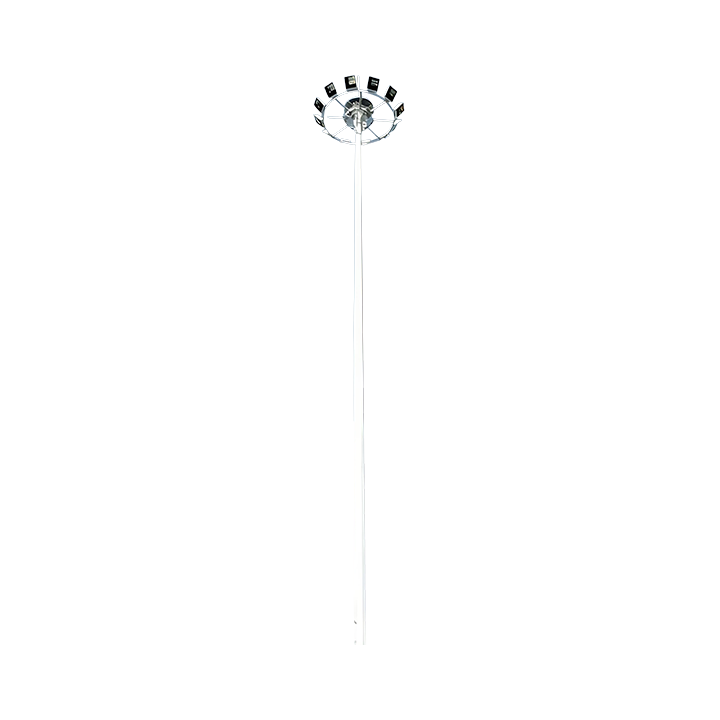
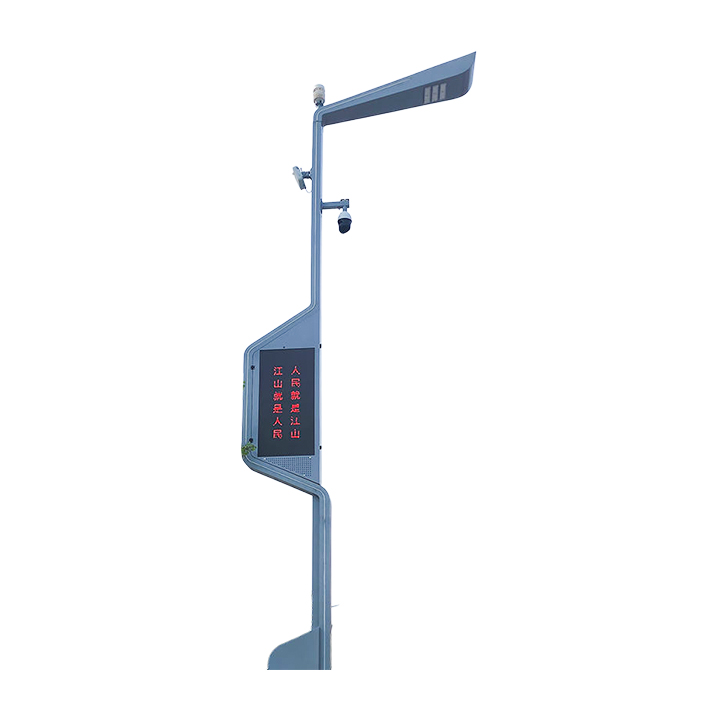
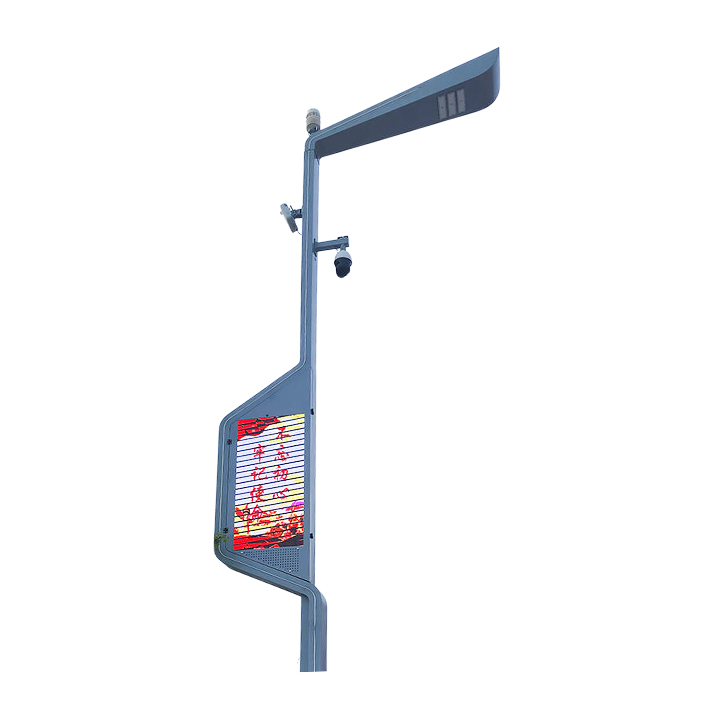
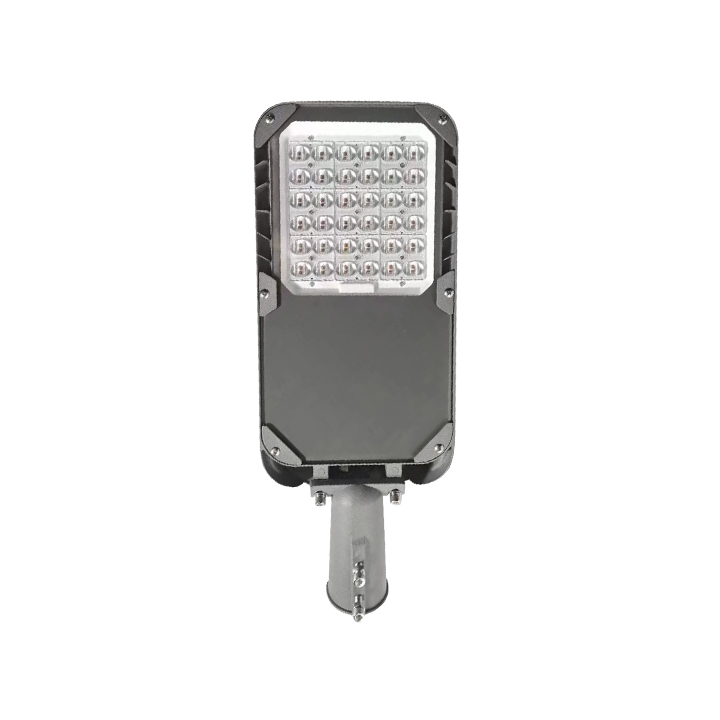
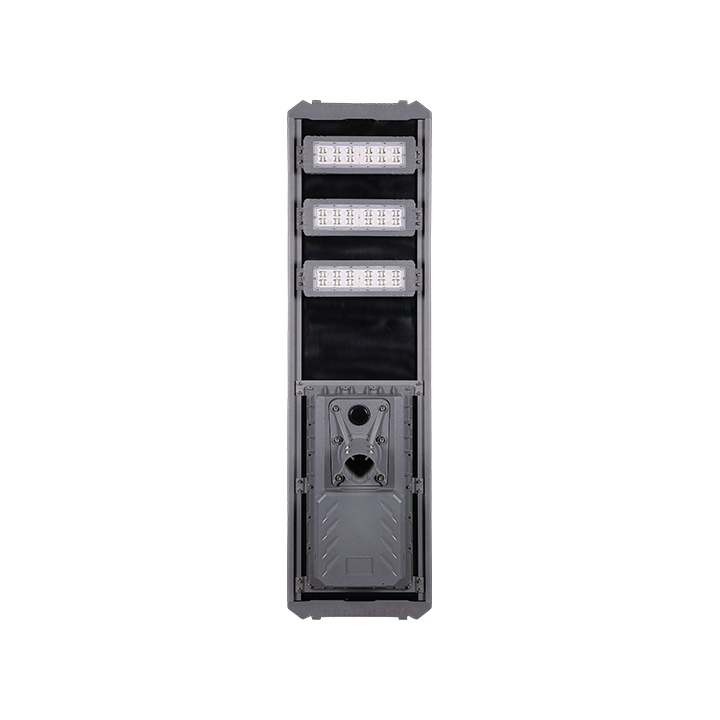
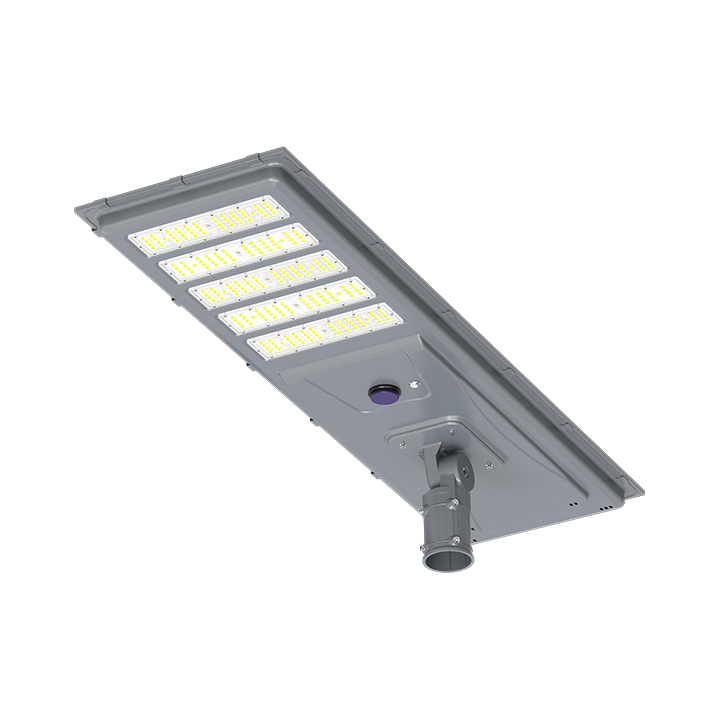
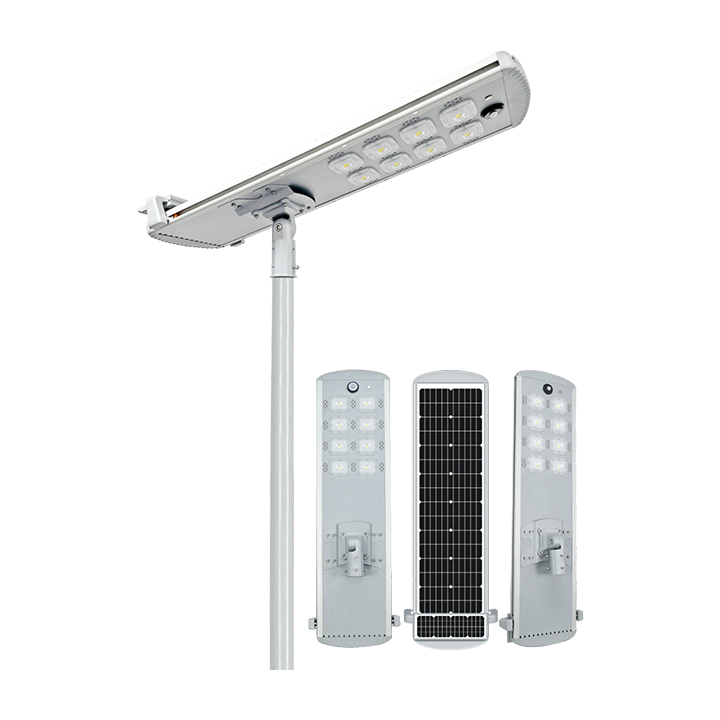
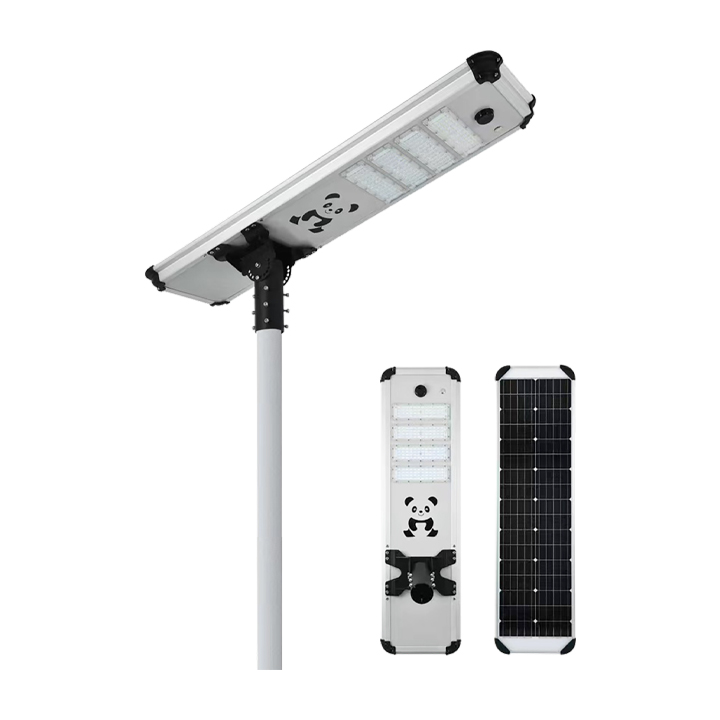
If you are interested in our products, please consult us
CONTACT DETAILS
-
Guoji Lighting Industrial Park,Northern Suburb of Yangzhou City

-
+86-0514-84242668

-
[email protected]

PRODUCTS
QUICK LINK
QR CODE
Copyright © JIANGSU TIANHUANG LIGHTING GROUP CO.,LTD. All Rights Reserved.
China LED street light manufacturer Custom metal street light pole supplier