 Language
 English
 русский
 Español
 عربى
عربى
Solar Street Light Manufacturer
-
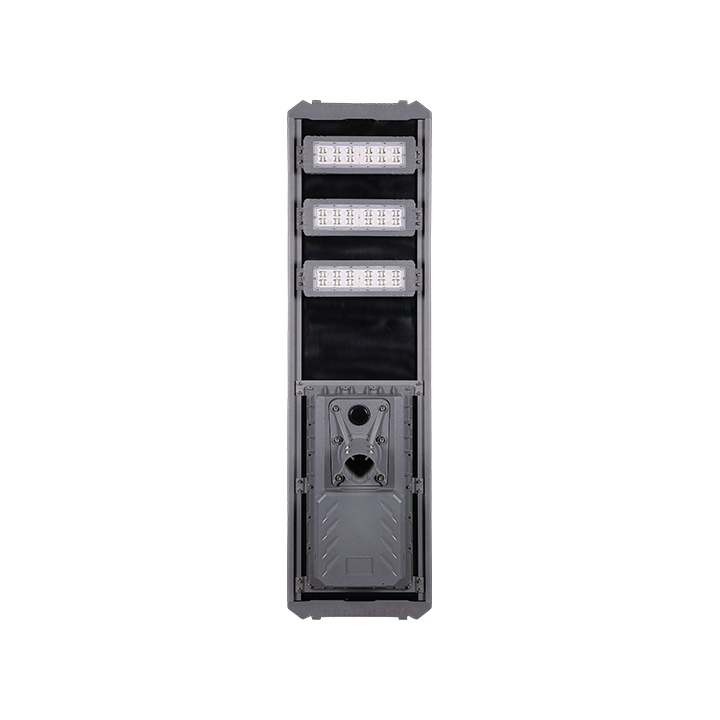
-
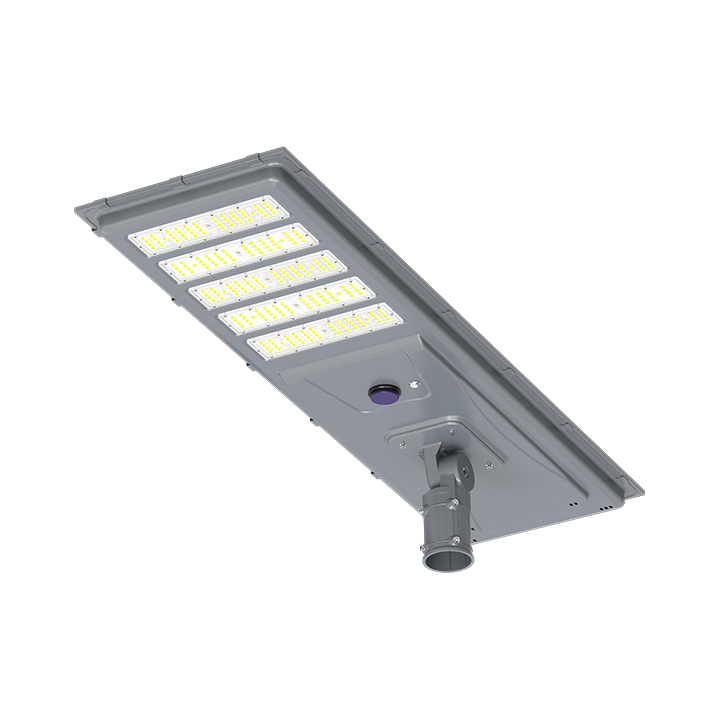
Split Type Monocrystalline Solar LED Street Light
The Split Type Monocrystalline Solar LED Street Light is specially designed for ...
-
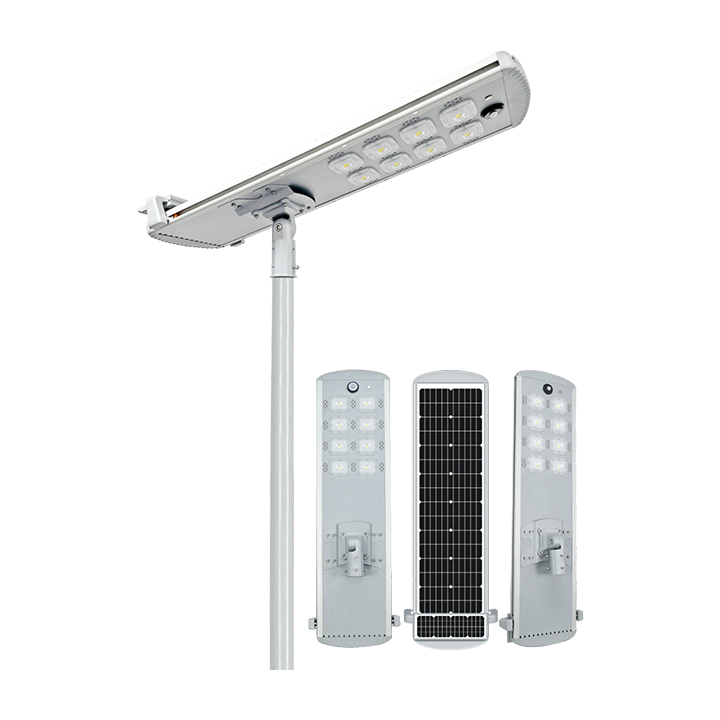
High Efficiency 200Lm/W Integrated Solar LED Street Light
The High Efficiency 200lm/W Integrated Solar LED Street Light is designed for of...
-
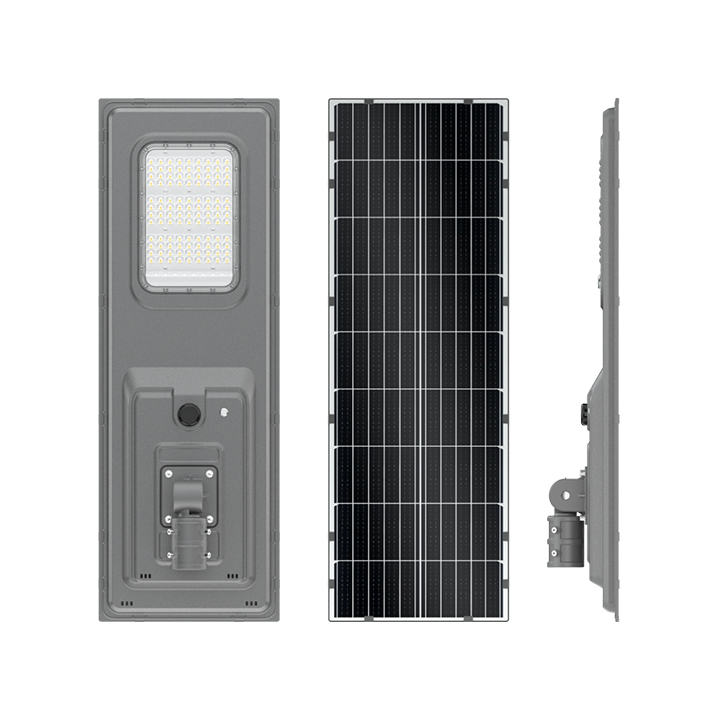
Low Voltage 12V Solar Panel All-In-One LED Street Light
The 12V Solar Panel All-In-One LED Street Light is designed for outdoor lighting...
-
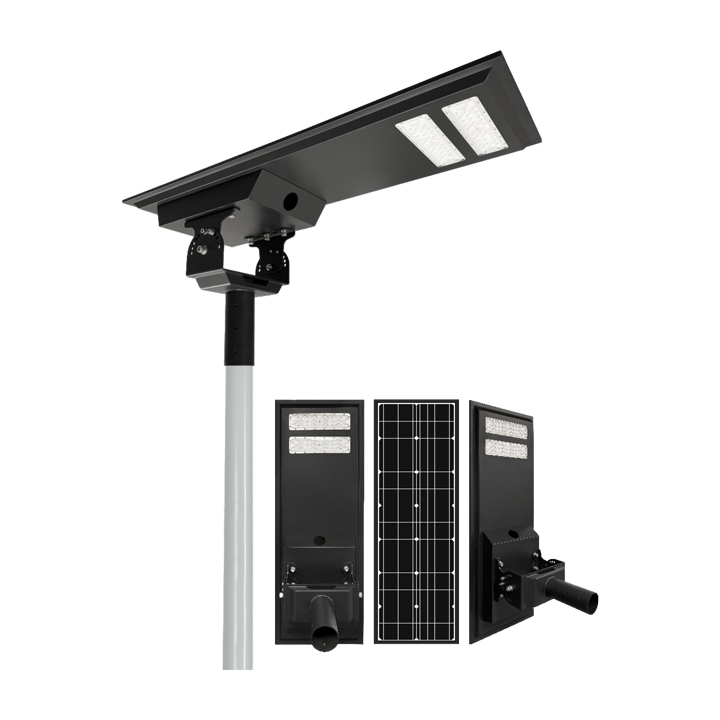
All-In-One Die-Cast Aluminum Solar LED Street Light
The All-In-One Die-Cast Aluminum Solar LED Street Light is designed for outdoor ...
-
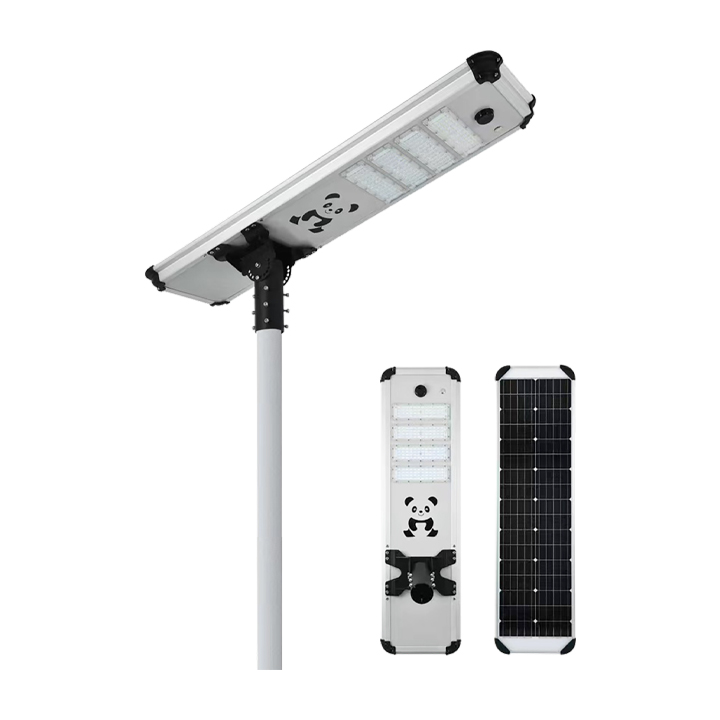
Aluminum Solar LED Street Light
The Aluminum Solar LED Street Light is specifically designed for solar lighting ...
About US
JIANGSU TIANHUANG LIGHTING GROUP CO.,LTD.
Founded in January 2009, Jiangsu Tianhuang Lighting Group Co., Ltd. is a China Solar Street Light Manufacturer and Custom Solar LED Lighting Supplier, as well as a leading manufacturer of solar LED lighting, street lights, stadium lights, light poles, high mast poles, and highbay lights. The company was established after the merger of Huxi Lighting Factory, Longxiang (established in 2002), and Feilong (established in 2004), and is located in the well-connected and scenic Guoji Town, Gaoyou City, Yangzhou.
Jiangsu Tianhuang Lighting has actively contributed to key international projects, earning widespread recognition and trust from clients globally. The company operates from a 35,000-square-meter facility with advanced manufacturing equipment, including large-scale spraying machines, one-time forming folding machines, 10T cranes, and various welding and lighting assembly lines.
With a team of 125 employees, including 5 senior engineers and 40 skilled professionals, the company has established a solid reputation for product quality and innovation. Jiangsu Tianhuang Lighting has been recognized as an excellent enterprise by industrial and commercial departments for many consecutive years, earning certifications such as the 3C mandatory product certification, ISO9001, and CE. In 2018, the company was awarded the title of "Advanced Unit for Safety Production and Civilized Construction" by Jiangsu Province.
Jiangsu Tianhuang Lighting has actively contributed to key international projects, earning widespread recognition and trust from clients globally. The company operates from a 35,000-square-meter facility with advanced manufacturing equipment, including large-scale spraying machines, one-time forming folding machines, 10T cranes, and various welding and lighting assembly lines.
With a team of 125 employees, including 5 senior engineers and 40 skilled professionals, the company has established a solid reputation for product quality and innovation. Jiangsu Tianhuang Lighting has been recognized as an excellent enterprise by industrial and commercial departments for many consecutive years, earning certifications such as the 3C mandatory product certification, ISO9001, and CE. In 2018, the company was awarded the title of "Advanced Unit for Safety Production and Civilized Construction" by Jiangsu Province.
Certificate Of Honor








Related Products
latest News
-
Why Solar Street Lights Are Worth It: The Short Answer Solar street lights offer a compelling combination of zero electricity costs, easy off-grid installation...
READ MORE -
What are the advantages of LED street lights? LED street lights outperform conventional alternatives — including high-pressure sodium (HPS) and metal halide la...
READ MORE -
What is a galvanized light pole? A galvanized light pole is a steel or iron pole that has been coated with a protective layer of zinc through a hot-dip galvani...
READ MORE -
A solar street light is an independent lighting system that uses solar photovoltaic (PV) technology as its energy source, enabling road illumination at night wi...
READ MORE -
Hot-dip galvanizing is a metal anti-corrosion process. Steel components (such as light pole shafts) are immersed in a bath of molten zinc at approximately 450°C...
READ MORE -
A stadium light refers to a high-power, high-efficacy, high-reliability lighting system specifically designed for large sports venues and athletic fields. It is...
READ MORE
Industry knowledge
Solar street lights are now a technically mature, operationally viable solution for the majority of outdoor road, pathway, and area lighting applications worldwide—not merely a niche product for remote or grid-deficient locations. Municipalities, highway authorities, industrial park developers, and residential communities across more than 100 countries have deployed solar LED lighting systems at scale, driven by three converging factors: the dramatic decline in photovoltaic module costs (down more than 89% since 2010), LED efficacy improvements that have roughly doubled usable light output per watt over the same period, and lithium iron phosphate battery technology that now offers 2,000–3,000 charge cycles with reliable capacity retention.
Unlike grid-connected LED street lights, solar street lights require no trenching, no cabling, no transformer infrastructure, and no ongoing electricity tariff payments. This infrastructure independence makes them particularly well-suited to new development areas, road expansion projects in rural regions, temporary lighting installations, and locations where grid extension costs are prohibitive. A well-designed solar LED lighting system operates reliably through 3–5 consecutive overcast days, delivers consistent illuminance throughout the night via intelligent dimming profiles, and requires maintenance attention only every 3–5 years for battery inspection and cleaning. This article examines the system components, performance data, application guidance, and key selection criteria that define best practice in the sector.
System Architecture: How a Solar Street Light Actually Works
A solar street light integrates four primary subsystems—the photovoltaic module, the energy storage battery, the charge controller/driver electronics, and the LED luminaire—into a single pole-mounted assembly. Understanding how these subsystems interact is essential for specifying the right product for a given location, climate, and illuminance requirement.
Photovoltaic Module
Modern solar street lights predominantly use monocrystalline silicon PV modules with efficiencies of 21–23%, a significant improvement over the polycrystalline panels common a decade ago. Panel wattage for street lighting applications ranges from 20 W (for low-load pathway applications) to 400 W+ (for high-lumen highway lighting at high latitudes). The panel orientation—fixed horizontal on integrated all-in-one designs, or adjustable-angle on split systems—directly affects energy harvest and must be matched to the installation latitude for optimal annual performance.
Battery Technology and Autonomy
Lithium iron phosphate (LiFePO4) chemistry has become the preferred battery technology for quality solar LED lighting systems, displacing lead-acid and earlier lithium chemistries. LiFePO4 batteries deliver 2,000–3,000 charge cycles at 80% depth of discharge, translating to a calendar service life of 8–10 years. They operate safely from -20 °C to +60 °C, have a self-discharge rate below 3% per month, and do not require the maintenance equalization charges needed by lead-acid batteries. Rated capacity for street lighting applications typically ranges from 30 Ah to 200 Ah at 12 V or 24 V, depending on required autonomy days and luminaire wattage.
MPPT Charge Controller and LED Driver
Maximum Power Point Tracking (MPPT) controllers extract 15–30% more energy from the PV panel compared to older PWM controllers by continuously adjusting the operating point to match the panel's peak power output under varying irradiance and temperature conditions. Integrated driver electronics manage dusk-to-dawn light activation via ambient light sensors, execute programmable dimming profiles (typically 100% output from dusk to midnight, 50% from midnight to dawn), and provide battery protection functions including low-voltage disconnect and overcharge prevention. These functions extend battery service life significantly compared to unmanaged systems.
The architecture diagram above traces the energy flow through a complete solar street light system from sunlight capture to road illumination. Each stage introduces conversion efficiency: a monocrystalline panel at 22% efficiency converts solar irradiance to DC electricity; the MPPT controller transfers that energy to the battery at 95–98% charging efficiency; the LiFePO4 battery stores and releases energy at 95–97% round-trip efficiency; and the LED driver delivers regulated constant current to the LED array at 90–95% efficiency. The cumulative system efficiency from solar irradiance to luminaire output is approximately 18–22%—significantly higher than older systems using PWM controllers and lead-acid batteries, which achieved only 10–14%. This efficiency improvement is what allows modern solar LED lighting systems to be meaningfully smaller, lighter, and more cost-effective than their predecessors while delivering better photometric performance. Understanding the architecture also clarifies which component is the weakest link in any given installation—typically the battery in hot climates and the PV panel sizing in high-latitude locations with limited winter irradiance.
Solar Irradiance and Autonomy: Matching System Size to Location
The single most critical input for sizing a solar street light system is the peak sun hours (PSH) available at the installation latitude. PSH is the number of hours per day at which the actual solar irradiance is equivalent to the standard test condition of 1,000 W/m². A location with 4.5 PSH per day in December (the design month for northern hemisphere installations) is fundamentally different from one with 6.5 PSH, and the panel and battery sizes must be calculated accordingly.
The horizontal bar chart above illustrates average daily peak sun hours across major world regions, which is the foundational parameter for solar street light system sizing. The Middle East and North Africa lead globally with approximately 6.8 PSH per day on an annual average, making these regions highly favorable for solar applications with relatively modest panel sizes achieving multi-day battery autonomy. Sub-Saharan Africa at 6.2 PSH represents the world's fastest-growing solar street lighting market, where grid infrastructure gaps make solar LED lighting the default rather than an alternative. Northern Europe and Canada, at approximately 2.8 PSH in the design month of December, require substantially larger panels and batteries to achieve the same autonomy as equatorial installations—typically 2.5–3× the panel wattage for equivalent luminaire load. This regional variation explains why solar street light products are not one-size-fits-all: a system designed for Saudi Arabia would be significantly under-specced for deployment in Scandinavia. Responsible manufacturers and suppliers provide location-specific sizing calculations rather than generic product specifications, accounting for local irradiance data, nighttime operating hours, required autonomy days, and design-month worst-case conditions.
| Region | Design PSH (h/day) | Required Panel (W) | Battery Capacity (Ah @ 24V) |
|---|---|---|---|
| Middle East / N. Africa | 5.5 | 180 | 90 |
| South / SE Asia | 4.5 | 220 | 100 |
| Southern Europe | 3.5 | 300 | 110 |
| N. Europe / Canada | 2.0 | 480 | 130 |
Energy Harvest Trends: Solar LED Lighting Adoption Over Time
The global adoption of solar LED lighting for outdoor applications has accelerated dramatically over the past decade, driven by simultaneous improvements in all three core technologies—PV modules, battery storage, and LED efficacy—that compound to produce system-level performance improvements far exceeding any individual component advance. Tracking these trends helps procurement teams understand the pace of technology change and avoid specifying products based on outdated assumptions.
The dual-axis line chart above captures the two most important cost and performance trends driving solar LED lighting adoption from 2013 to 2024. LED system efficacy (blue line, left axis) has risen from approximately 85 lm/W to over 180 lm/W—more than doubling useful light output per watt consumed—while PV module costs (red dashed line, right axis) have collapsed from approximately USD 0.74/W to under USD 0.10/W over the same period. These two trends compound: a solar street light system delivering 180 lm/W LED efficacy requires less than half the panel wattage of a 2013-era system for equivalent road illuminance, and each watt of panel now costs less than one-seventh of its 2013 price. The result is a system-level cost reduction of approximately 75–80% over the decade. This transformation explains why projects that were economically marginal a decade ago—rural road lighting in developing countries, temporary site lighting, replacement of grid-connected luminaires in electricity-deficit regions—are now financially straightforward. Continued gradual improvement in both LED efficacy and PV module cost is expected through the decade, supporting further expansion of solar LED lighting into applications currently served by grid-connected systems.
All-in-One vs. Split Solar Street Light Systems: Which to Choose
The two dominant solar street light configurations—all-in-one (integrated) and split systems—have different strengths suited to different project requirements. Understanding these differences allows project specifiers to select the appropriate configuration rather than defaulting to whichever is more familiar.
All-in-One Systems
All-in-one solar LED lighting units integrate the PV panel, battery, LED module, and controller into a single compact assembly that mounts directly to the pole top. Installation is fast—typically under 30 minutes per unit—with no cable interconnection required between components. This makes all-in-one systems particularly suitable for rapid deployment scenarios, temporary installations, projects in remote areas with limited technical labor, and retrofits onto existing pole infrastructure. Current all-in-one products achieve luminaire wattages up to 200 W with battery capacities supporting 2–3 days of autonomy. The main limitation is that the integrated battery is exposed to ambient temperature extremes that can accelerate degradation in very hot climates (>45 °C ambient).
Split Systems
Split systems separate the PV panel, battery, and luminaire into discrete components connected by cables, with the battery typically housed in an insulated compartment within the pole shaft. This configuration supports higher wattages (up to 400 W+ LED loads), better thermal management of the battery, easier battery replacement without disturbing the luminaire or panel, and the ability to optimize panel orientation independently of luminaire aiming. Split systems are preferred for permanent major road lighting installations, high-latitude projects where panel tilt adjustment is important, and applications where battery service access is a routine maintenance consideration. Installation is more labor-intensive than all-in-one, requiring electrical cabling between components.
The radar chart above directly compares all-in-one and split solar street light configurations across six operational dimensions. All-in-one systems (blue filled polygon) score highest on installation speed, cost efficiency, and application versatility—reflecting their rapid deployment advantage and the competitive pricing that comes from high-volume standardized production. Split systems (green dashed polygon) score highest on maximum wattage capability, thermal management, and maintenance accessibility—all critical factors for permanent major road lighting infrastructure. The intersection of the two polygons highlights where each configuration offers genuine advantages rather than marginal differences. For procurement teams evaluating a specific project, the decision framework is relatively clear: if the project is a permanent arterial road or highway installation with wattages above 150 W, opt for a split system; if rapid deployment, retrofit, or cost efficiency is the priority for lower-wattage applications, all-in-one solar LED lighting units offer the better overall value proposition. Many large networks use both configurations in different zones of the same project, matching the system type to the specific requirements of each road section or area.
Quality Standards and Certifications for Solar Street Lights
The solar street light market includes products ranging from rigorously engineered, certified systems from established manufacturers to poorly constructed assemblies with inflated specification claims. Understanding the relevant quality certifications enables buyers to distinguish reliable products from unreliable ones before committing to large-scale procurement.
- IEC 62133: Battery safety standard for lithium rechargeable cells, covering thermal, mechanical, and electrical abuse tests. Compliance confirms the LiFePO4 battery will not experience thermal runaway under normal and foreseeable fault conditions.
- IEC 61215 / IEC 61730: PV module design qualification and safety standards. Modules passing these tests have demonstrated resistance to thermal cycling, humidity, UV exposure, mechanical loading, and hail impact relevant to outdoor street lighting deployment.
- IP65 / IP66: Ingress protection ratings confirming the luminaire housing and electronics are sealed against dust and water jets. IP66 (pressure water jet resistance) is recommended for coastal and high-rainfall environments.
- CE Marking: Confirms compliance with EU electromagnetic compatibility (EMC), low voltage, and RoHS directives. Required for products sold in EU member states and widely recognized internationally as a quality indicator.
- LM-80 / TM-21: LED lumen maintenance test data and extrapolation methodology confirming rated LED service life. Specifying L80 ≥ 50,000 hours from LM-80 tested LED packages provides meaningful assurance against premature lumen depreciation.
- ISO 9001:2015: Quality management system certification confirming the manufacturer's production processes are systematically controlled and audited, reducing the risk of batch-to-batch inconsistency in high-volume orders.
The grouped column chart above compares four critical performance metrics between certified and non-certified solar street light products, based on aggregated field data from installation audits and post-deployment performance evaluations. Certified products demonstrate battery service life realization of approximately 90% of rated capacity, compared to 55% for non-certified alternatives where battery capacity claims are frequently overstated at purchase. PV module actual output accuracy—how closely measured output matches the stated wattage—averages 95% for IEC 61215 certified modules versus 70% for uncertified panels. Lumen output accuracy (measured versus claimed luminaire lumens) shows a similar gap: certified solar LED lighting products average 92% of stated output, while non-certified products deliver only 60%, meaning a system appears to meet specification on paper but underperforms on the road. Five-year reliability (proportion of units operating within specification without major component failure at the 5-year mark) is 88% for certified products versus 48% for non-certified—a near-doubling of failure risk that must be factored into lifecycle cost calculations and maintenance budget projections. This data makes a compelling case for specifying products with verified certifications, even at a modest initial cost premium.
About Jiangsu Tianhuang Lighting Group Co., Ltd.
Founded in January 2009, Jiangsu Tianhuang Lighting Group Co., Ltd. is a leading manufacturer of solar LED lighting, street lights, stadium lights, light poles, high mast poles, and highbay lights in China. Established through the strategic merger of Huxi Lighting Factory, Longxiang (founded 2002), and Feilong (founded 2004), the company brings together over two decades of cumulative outdoor lighting manufacturing experience. Located in Guoji Town, Gaoyou City, Yangzhou—a hub with direct access to major logistics routes—Tianhuang has built an international supply network reaching customers across more than 60 countries.
Solar street lights and solar LED lighting systems represent a core product category for Jiangsu Tianhuang. The company's solar street light range spans all-in-one integrated units from 30 W to 200 W and split systems from 60 W to 400 W+, covering residential pathways, arterial roads, industrial yards, and highway applications. In-house capabilities include PV module sourcing and testing, LiFePO4 battery assembly and cycle testing, LED luminaire production with photometric verification, and complete system integration testing under simulated field conditions. Tianhuang holds ISO 9001:2015 certification and produces products compliant with CE, IEC 62133, IEC 61215, and IP65/IP66 standards. Technical support including location-specific sizing calculations, photometric simulation reports, and project documentation assistance is available to support customers from specification through to commissioning.
Frequently Asked Questions
If you are interested in our products, please consult us
CONTACT DETAILS
-
Guoji Lighting Industrial Park,Northern Suburb of Yangzhou City

-
+86-0514-84242668

-
[email protected]

PRODUCTS
QUICK LINK
QR CODE
Copyright © JIANGSU TIANHUANG LIGHTING GROUP CO.,LTD. All Rights Reserved.
China Solar Street Light Manufacturer Custom Solar LED Lighting Supplier