Language
 English
 русский
 Español
 عربى
عربىDie-Casting Aluminum Streamline LED Street Light
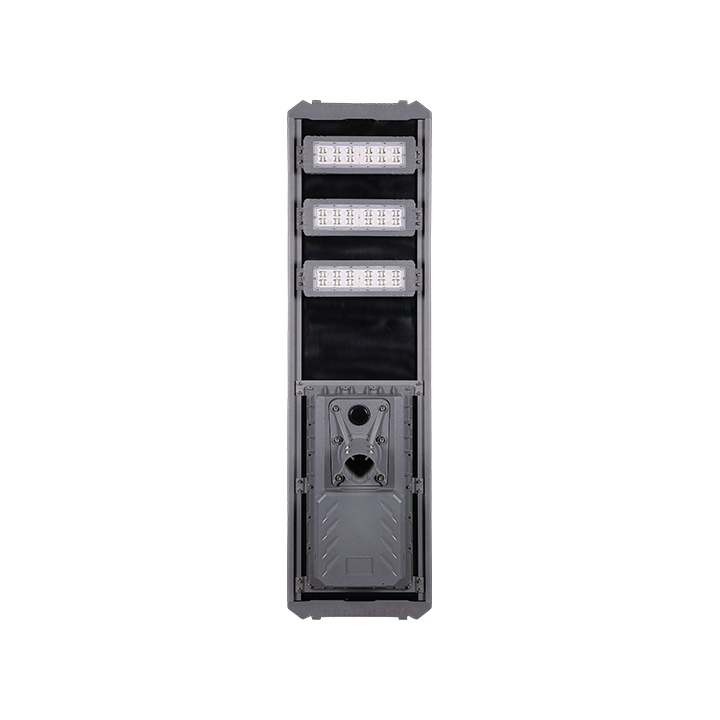
Die-Casting Aluminum Streamline LED Street Light is designed for outdoor lightin...

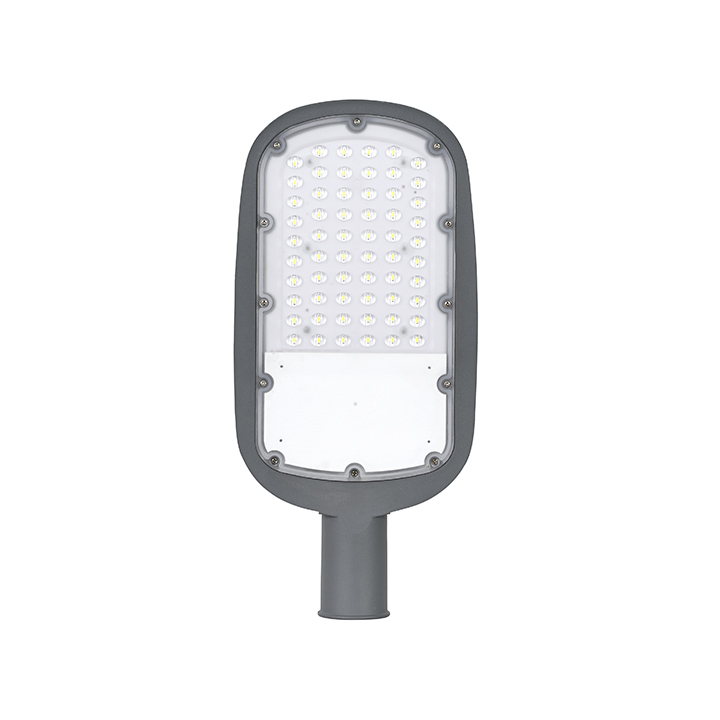
Die-Casting Aluminum Streamline LED Street Light is designed for outdoor lightin...
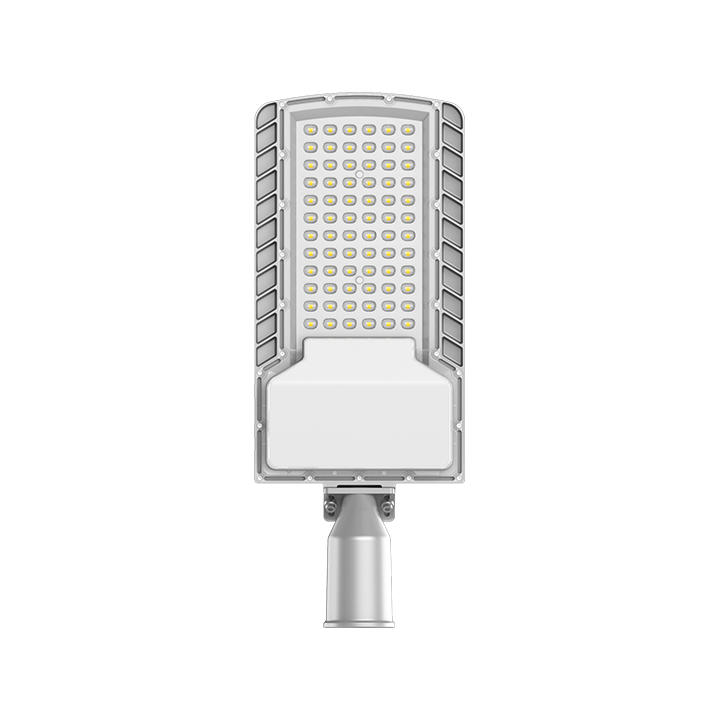
Integrated Die-Casting Aluminum Anti-Glare LED Street Light IP67 is designed for...
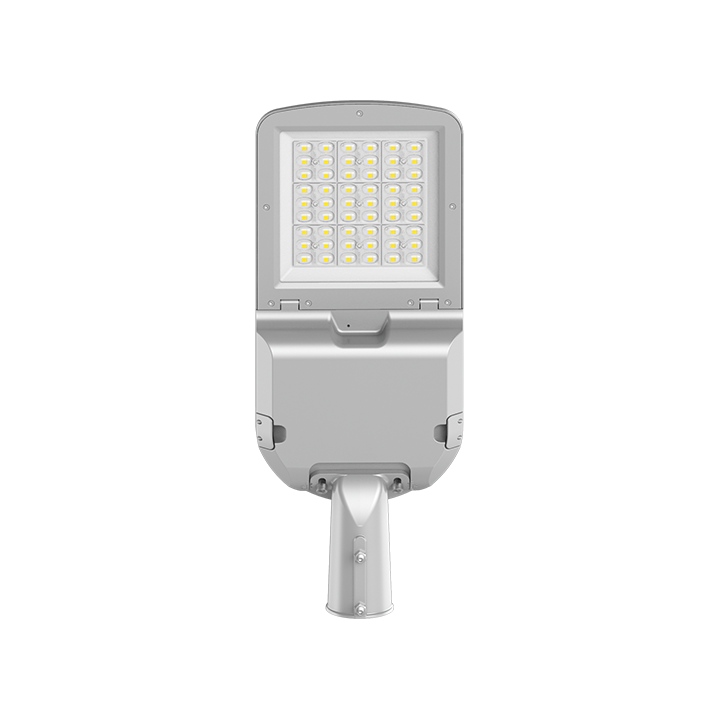
Integrated Die-Casting Aluminum Honeycomb LED Street Light IP66 is designed for ...
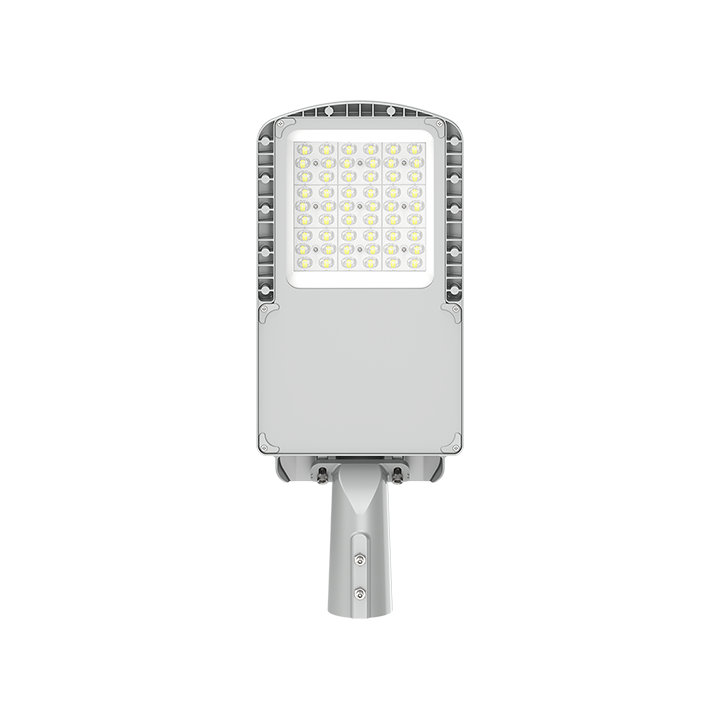
Die-Casting Aluminum Adjustable Shaft LED Street Light IP66 is designed for inst...
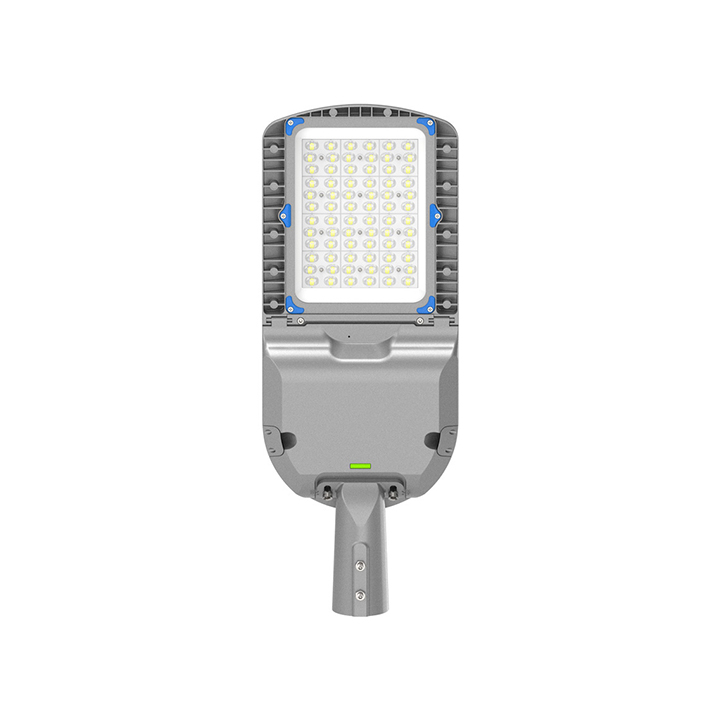
Die-Casting Aluminum Snap-On Tool-Free LED Street Light IP66 is designed for eng...
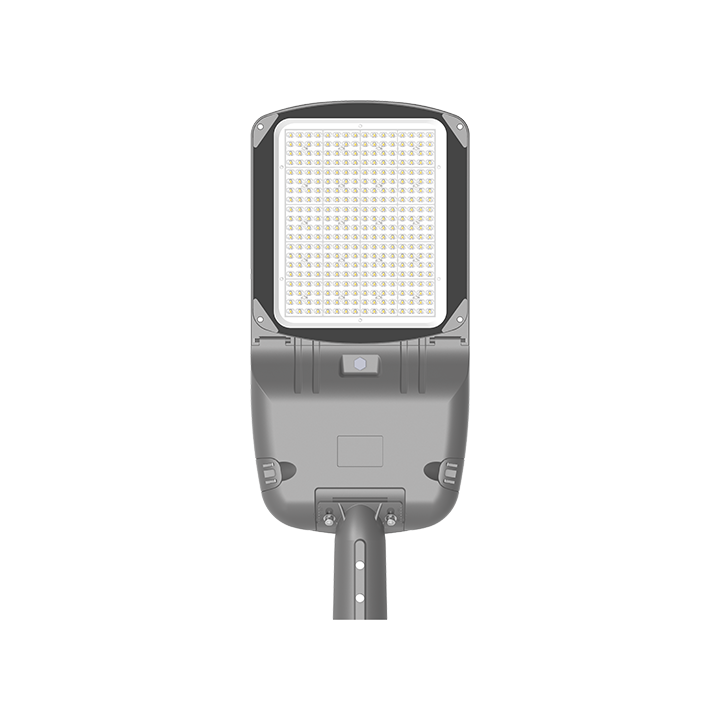
Die-Casting Aluminum Angled Mounting LED Street Light IP67 is designed for insta...
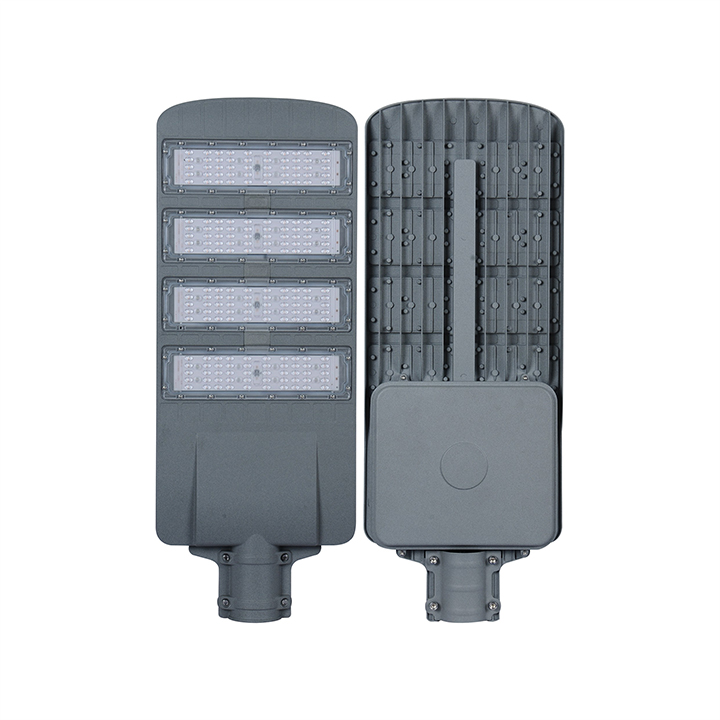
Die-Casting Aluminum Basic LED Street Light IP65 is designed for projects with a...
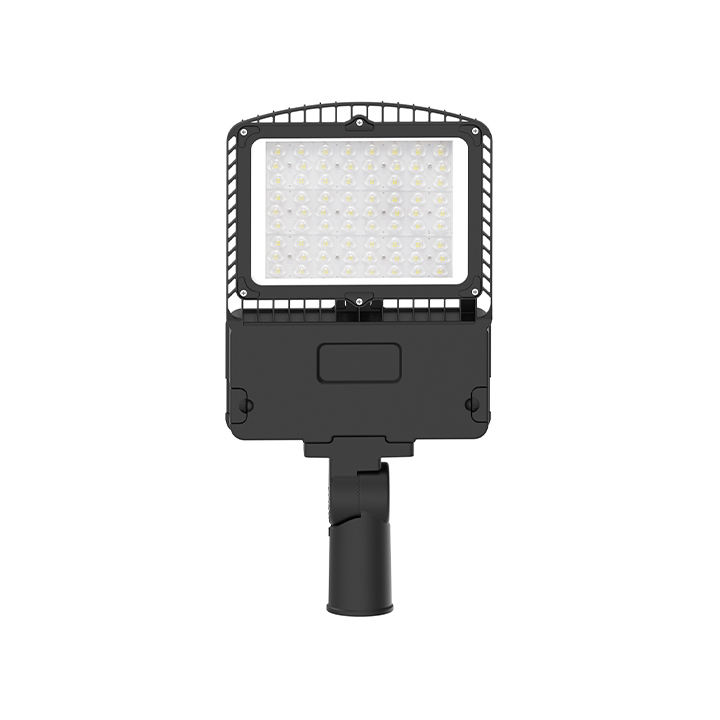
Modular Die-Casting Aluminum Pluggable LED Street Light IP67 is designed for lar...
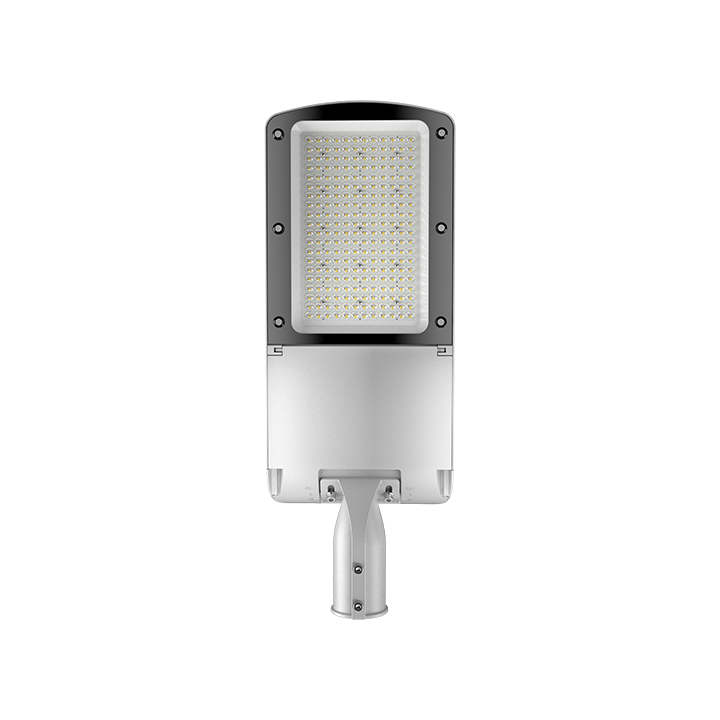
Die-Casting Aluminum LED Street Light IP65 with Glass Lens is designed for outdo...
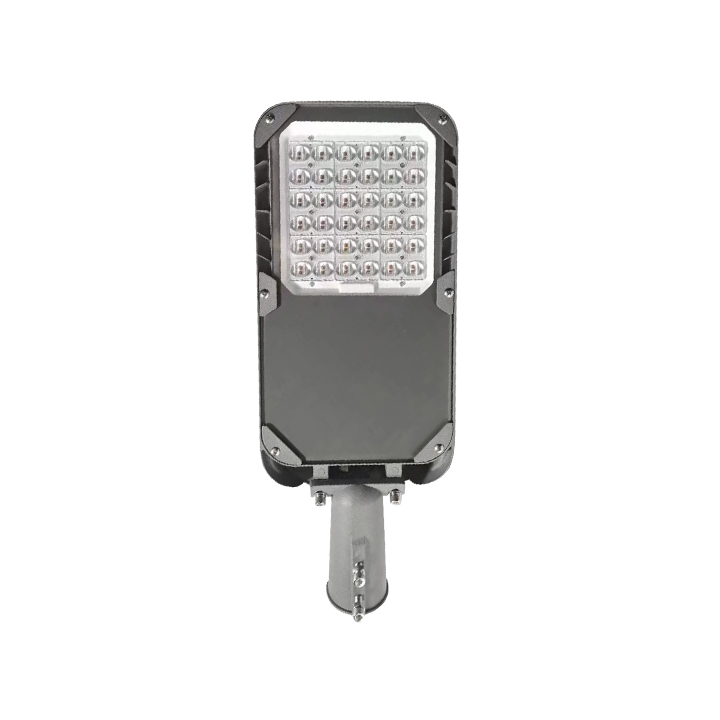
Die-Casting Aluminum High Lumen LED Street Light IP65 is designed for municipal ...
Why Solar Street Lights Are Worth It: The Short Answer Solar street lights offer a compelling combination of zero electricity costs, easy off-grid installation...
READ MOREWhat are the advantages of LED street lights? LED street lights outperform conventional alternatives — including high-pressure sodium (HPS) and metal halide la...
READ MOREWhat is a galvanized light pole? A galvanized light pole is a steel or iron pole that has been coated with a protective layer of zinc through a hot-dip galvani...
READ MOREA solar street light is an independent lighting system that uses solar photovoltaic (PV) technology as its energy source, enabling road illumination at night wi...
READ MOREHot-dip galvanizing is a metal anti-corrosion process. Steel components (such as light pole shafts) are immersed in a bath of molten zinc at approximately 450°C...
READ MOREA stadium light refers to a high-power, high-efficacy, high-reliability lighting system specifically designed for large sports venues and athletic fields. It is...
READ MOREThe conclusion is clear and supported by field data: die-casting aluminum LED street lights outperform every previous generation of outdoor luminaire technology across energy efficiency, structural durability, thermal management, and total lifecycle cost. Cities and road authorities that have completed full-network LED street light retrofits report energy savings averaging 55–70% compared to high-pressure sodium (HPS) systems, with maintenance call-outs reduced by more than 60% over a 5-year post-installation period. The combination of high-efficiency LED chips, precision die-casting aluminum housings, and intelligent control compatibility makes this technology the foundation of contemporary infrastructure lighting worldwide.
Outdoor LED lighting has matured from an emerging alternative into the unambiguous default specification for new installations and retrofit projects globally. Whether for arterial highways, residential streets, industrial access roads, parking facilities, or pedestrian pathways, the aluminum LED light form factor—engineered for weather exposure, vibration resistance, and decades of continuous operation—delivers performance metrics that conventional discharge lamp systems cannot replicate. This article examines the engineering fundamentals, performance data, application categories, and procurement criteria that define best practice in the sector.
The housing material is not merely a structural shell—it is the primary thermal management system for any LED street light. LED chips degrade faster at elevated junction temperatures; every 10 °C increase in operating temperature above the rated design point reduces LED lumen maintenance by approximately 15–20% over 50,000 hours. Die-casting aluminum addresses this directly: aluminum alloy (typically ADC12 or A380) has a thermal conductivity of 96–110 W/(m·K), enabling rapid heat transfer from the LED board to the housing surface and then to ambient air through integrated fin structures.
High-pressure die-casting injects molten aluminum alloy into precision steel molds at pressures of 700–1,000 bar, producing net-shape components with wall thicknesses as fine as 2.5 mm, dimensional tolerances of ±0.1 mm, and surface finishes requiring minimal post-processing. This manufacturing precision enables complex internal fin geometries for thermal management and integrated mounting bracket features—designs that are impossible or prohibitively expensive in fabricated sheet metal. Finished housings are typically treated with a chromate conversion coating followed by electrostatic powder coating in RAL colors, providing both corrosion protection and aesthetic consistency.
Outdoor LED lighting must resist moisture, dust, insects, and corrosive atmospheres throughout its service life. Quality die-casting aluminum LED light luminaires achieve IP65 or IP66 ratings as standard, with the optical chamber sealed by tempered glass lenses using silicone gaskets compressed precisely by the die-cast housing geometry. IK08 or IK10 impact resistance is also specified for vandal-prone areas. The dimensional precision of die-cast aluminum housings is critical to maintaining these ratings over thermal cycling—cheaper formed-metal housings can distort, compromising seal compression over time.
The bar chart above compares the thermal conductivity of materials commonly considered for LED luminaire housings. Die-casting aluminum delivers a thermal conductivity of approximately 105 W/(m·K)—vastly superior to stainless steel at 16 W/(m·K) and essentially infinite compared to polymers like polycarbonate at 0.2 W/(m·K). While copper conducts heat more effectively, its density (8,960 kg/m³ vs. aluminum's 2,700 kg/m³) and cost make it impractical for large outdoor luminaire housings. This thermal advantage directly translates to longer LED service life: luminaires with die-cast aluminum housings consistently maintain junction temperatures 15–25 °C lower than equivalent wattage polymer or thin-gauge steel housings under the same ambient conditions. Lower junction temperature is the single most impactful factor in LED lumen maintenance over time, making aluminum the material of choice for all serious outdoor LED lighting applications where longevity is a priority.
Specifying an LED street light requires understanding a set of photometric and electrical performance parameters that did not exist in the era of conventional discharge lamps. These metrics determine whether a luminaire will meet road lighting standards, deliver energy savings projections, and maintain performance through the design service life.
Luminous efficacy—expressed in lumens per watt (lm/W)—measures how efficiently electrical energy is converted to visible light output. Modern aluminum LED light street luminaires achieve system efficacies of 150–180 lm/W at the luminaire level (including driver losses), compared to 80–100 lm/W for high-pressure sodium and 60–75 lm/W for metal halide. This efficacy gap directly determines the wattage reduction achievable for equivalent illuminance on the road surface.
Outdoor LED lighting standards increasingly specify minimum CRI values of Ra ≥ 70, with many urban and pedestrian applications requiring Ra ≥ 80. High CRI illumination improves color recognition for both drivers and pedestrians, enhancing safety perception. Color temperature for road applications is typically specified between 3,000 K and 5,700 K: warmer tones (3,000–4,000 K) for residential streets minimize sky glow and improve amenity; neutral to cool tones (4,000–5,700 K) for highways and industrial areas maximize scotopic sensitivity and perceived brightness.
LED lumen maintenance is reported as L70 or L80—the number of operating hours before output drops to 70% or 80% of initial lumens. Quality die-casting aluminum LED street lights achieve L80 at 60,000 hours and L70 at 100,000+ hours when operating within design temperature limits. This performance is validated through IES TM-21 extrapolation methodology from LM-80 test data. Specifying L80 ≥ 60,000 h is a meaningful minimum threshold that distinguishes genuinely long-life luminaires from lower-quality products with aggressive initial lumen claims but poor maintenance curves.
| Parameter | LED (Die-Cast Al) | HPS | Metal Halide |
|---|---|---|---|
| System Efficacy (lm/W) | 150–180 | 80–100 | 60–75 |
| Rated Lamp Life (hrs) | 100,000+ | 24,000 | 15,000 |
| CRI (Ra) | 70–90 | 20–25 | 65–85 |
| Power Factor | ≥0.95 | 0.85–0.90 | 0.88–0.92 |
| Dimming Capability | 0–100% (DALI/0-10V) | None | Limited |
| Instant Restrike | Yes | No (5–10 min) | No (3–5 min) |
Municipal LED street light retrofit programs across multiple continents have generated consistent, well-documented energy savings data. The transition from legacy high-pressure sodium or metal halide systems to die-casting aluminum LED street lights with dimming control delivers not only raw wattage reduction but also dynamic energy management through midnight-dimming profiles that further reduce consumption during low-traffic hours.
The line chart above tracks cumulative energy savings over six years for two LED street light deployment scenarios—systems with adaptive dimming control versus fixed-output systems—both replacing legacy HPS installations. Systems with DALI or wireless dimming control consistently achieve 5–15% additional savings on top of base LED efficiency gains, with the gap widening as midnight-dimming profiles are refined based on traffic count data. Year 1 savings of approximately 55% (with dimming) reflect the immediate wattage reduction from the LED retrofit itself. By year 6, ongoing driver tuning, optical maintenance, and control optimization push aggregate savings to approximately 65%. Fixed-output LED systems plateau around 52% savings, which is still a substantial improvement over legacy technology but leaves measurable value on the table. For municipalities and operators managing large networks of outdoor LED lighting, the incremental cost of dimming-capable drivers and control infrastructure typically achieves a payback period of under 3 years on the energy savings differential alone. This data strongly supports specifying dimming capability as standard rather than as an optional upgrade in new installations.
Outdoor LED lighting is not a single product category—it encompasses a wide range of luminaire designs, wattage ranges, optical distributions, and mounting configurations, each optimized for a specific application type. The following overview maps key application categories to their critical specification requirements.
Road lighting demands precise photometric control to achieve EN 13201 or IESNA RP-8 compliance—specific average luminance (Lav), uniformity ratios (U0, Ul), and glare threshold increment (TI) must be met for each road class. Die-casting aluminum LED street lights in wattages from 30 W to 300 W address everything from residential streets (ME6 class, 30–60 W) to major arterials (ME2/ME1, 150–300 W). Asymmetric Type II, III, and IV optical distributions achieve the road surface coverage patterns needed to meet uniformity requirements with standard pole spacings of 25–50 m.
Parking areas require wide, even horizontal illuminance rather than the elongated road distribution of street lights. Aluminum LED light luminaires with Type V symmetric or Type IV semi-symmetric distributions on 6–10 m poles achieve horizontal illuminance of 20–50 lux average at ground level with minimal spill into adjacent residential properties. Motion-sensing dimming to 20–30% during unoccupied periods reduces energy consumption by an additional 40–60% beyond base LED savings in typical commercial parking scenarios.
Industrial facilities, container ports, and logistics yards require high-lumen outdoor LED lighting that withstands vibration, chemical atmospheres, and extreme temperatures ranging from -40 °C to +50 °C. Die-cast aluminum luminaires in this category typically feature reinforced mounting yokes, stainless steel fasteners, and Class I Division 2 or ATEX Zone 2 certifications for hazardous location applications. Wattage ranges span from 100 W for perimeter lighting to 500 W+ for large open area floodlighting from high mast positions.
The column chart above illustrates the range of luminaire wattages deployed across five major outdoor LED lighting application categories. High mast lighting for airports, ports, and large industrial areas commands the highest wattages at up to 500 W per fixture, reflecting the requirement to deliver hundreds of lux of maintained illuminance over very large horizontal areas from heights of 20–40 m. Industrial yard lighting at up to 300 W per luminaire addresses mid-range area lighting tasks where direct or semi-direct mounting provides flexibility not available from dedicated high mast systems. Residential street lighting at 30–60 W represents the highest-volume application category globally—hundreds of millions of poles worldwide are transitioning from legacy lamp technologies to die-casting aluminum LED street lights in this wattage band. The clear differentiation in wattage requirements across applications underscores why aluminum LED light manufacturers develop distinct product families rather than attempting to cover all applications with a single platform. Selecting a luminaire from the correct product family ensures that optical efficiency, thermal design, and structural ratings are all matched to the application demands rather than compromised by over-engineering or under-specification.
The integration of connected control systems with LED street light infrastructure has transformed outdoor lighting networks from passive energy consumers into active data assets. Modern die-casting aluminum LED street lights are designed with integral or plug-in NEMA/Zhaga sockets that accommodate wireless control nodes supporting protocols including DALI-2, 0-10V, NB-IoT, LoRaWAN, and Zigbee.
The radar chart above compares the capability profiles of smart-enabled versus standard LED street light systems across six dimensions. The most pronounced gap appears in Smart Control and Remote Monitoring—areas where standard fixed-output luminaires have no capability at all, while smart-connected systems score at maximum. Engineering depth and lifespan are comparable between the categories, reflecting that both use quality die-casting aluminum housing construction and proven LED chip technology. CRI performance is slightly higher for smart-connected systems because they are more commonly specified with premium-tier LED packages. The overall area differential between the two polygons quantifies why the smart-connected configuration, despite higher upfront system cost, consistently delivers superior total value over infrastructure design lives of 15–25 years. For outdoor LED lighting networks where maintenance access is expensive or operationally disruptive—elevated highways, tunnels, port facilities—the remote monitoring capability alone justifies the smart upgrade. Procurement specifications for significant infrastructure projects should therefore include smart control readiness as a minimum requirement, even if the active control system is deployed in phases.
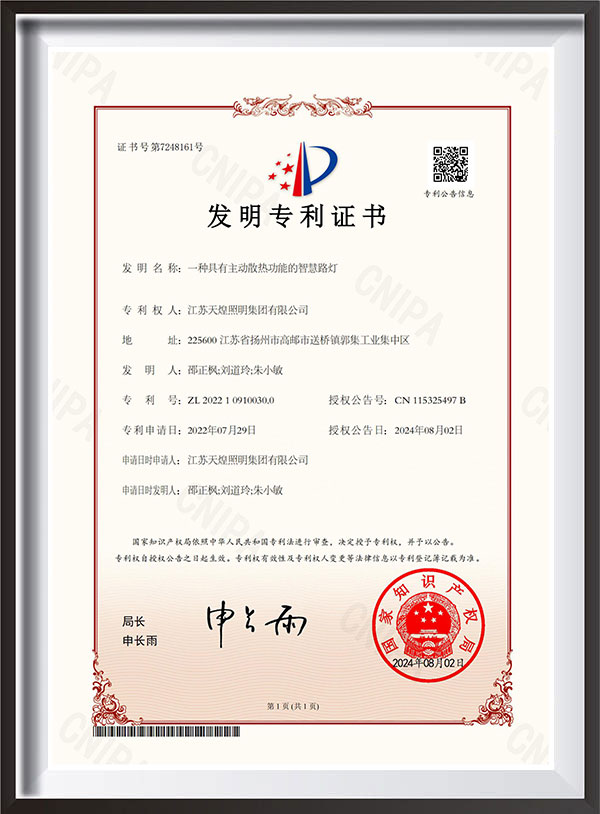
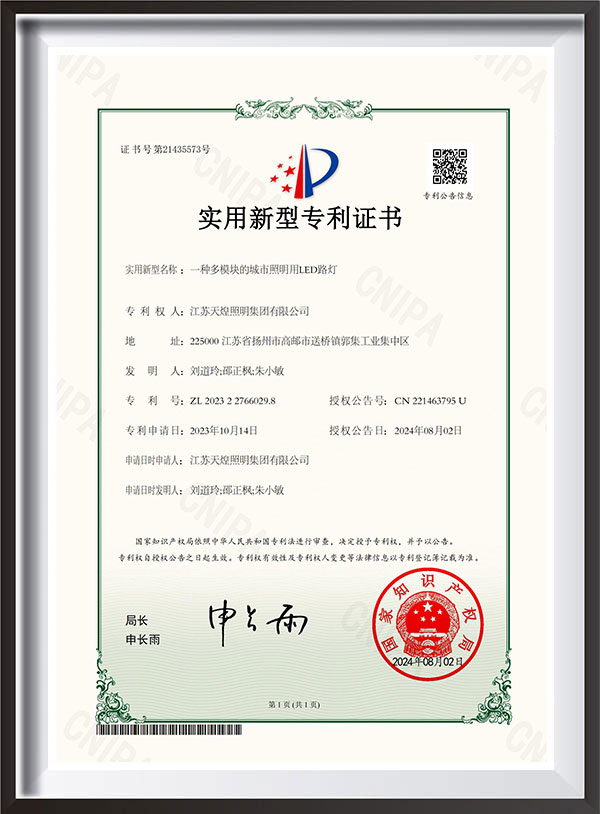
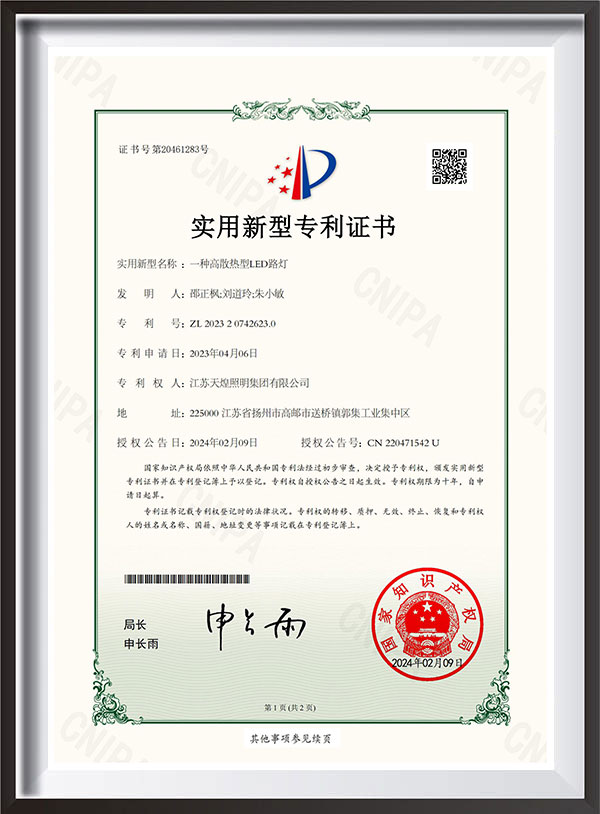
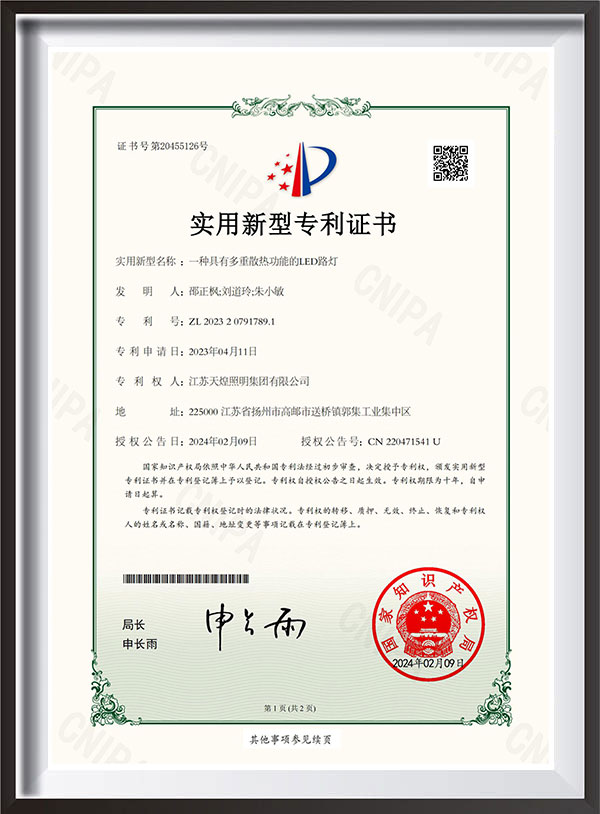
Founded in January 2009, Jiangsu Tianhuang Lighting Group Co., Ltd. is a leading manufacturer of solar LED lighting, street lights, stadium lights, light poles, high mast poles, and highbay lights in China. The company was established after the strategic merger of Huxi Lighting Factory, Longxiang (established in 2002), and Feilong (established in 2004), consolidating multiple decades of accumulated manufacturing expertise into a single vertically integrated operation. Headquartered in Guoji Town, Gaoyou City, Yangzhou—a location offering excellent logistics connectivity to major Chinese ports—Tianhuang serves customers across more than 60 countries.
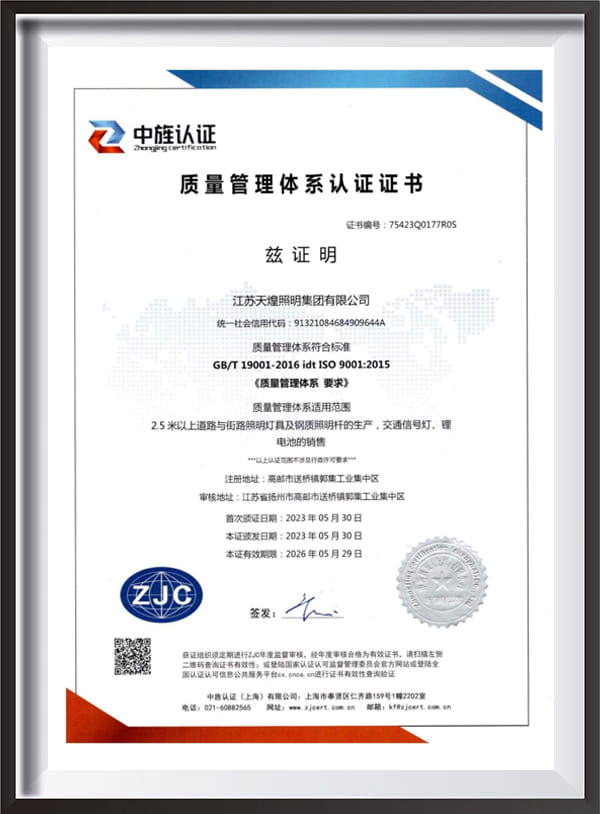
Jiangsu Tianhuang's core product range encompasses die-casting aluminum LED street lights, outdoor LED lighting solutions for roads, highways, parking areas, sports venues, and industrial facilities, as well as the structural poles and high mast systems needed for complete turnkey installations. In-house die-casting, CNC machining, LED assembly, photometric testing, and quality inspection capabilities enable consistent product quality from raw material to finished luminaire. The company holds ISO 9001:2015 quality management certification and produces luminaires compliant with CE, RoHS, IEC 60598, and ENEC standards. As both manufacturer and direct exporter, Jiangsu Tianhuang provides competitive engineering support including photometric simulation, wind load calculation, and energy audit documentation to assist project teams in meeting local regulatory and performance requirements.


Copyright © JIANGSU TIANHUANG LIGHTING GROUP CO.,LTD. All Rights Reserved.
China LED Street Light Manufacturer Custom Die-Casting Aluminum Outdoor Light Supplier