Language
 English
 русский
 Español
 عربى
عربىQ235 Steel Heavy-Duty Outdoor Cone Street Lighting Pole
Q235 Steel Heavy-Duty Outdoor Cone Street Lighting Pole is designed for outdoor ...

Galvanizing light poles are engineered for outdoor lighting applications, providing structural support for street lights, parking lots, parks, and urban infrastructure. These poles undergo a hot-dip galvanization process to enhance corrosion resistance, extend service life, and maintain strength under various environmental conditions. Designed for durability, galvanizing light poles can withstand extreme weather, including rain, wind, and UV exposure, making them suitable for long-term municipal and commercial installations. Common features include uniform coating, high tensile strength, and precise dimensional standards, ensuring safety and stability during use. Galvanizing light poles are compatible with multiple lighting fixtures and mounting configurations, allowing flexible deployment across different project requirements.
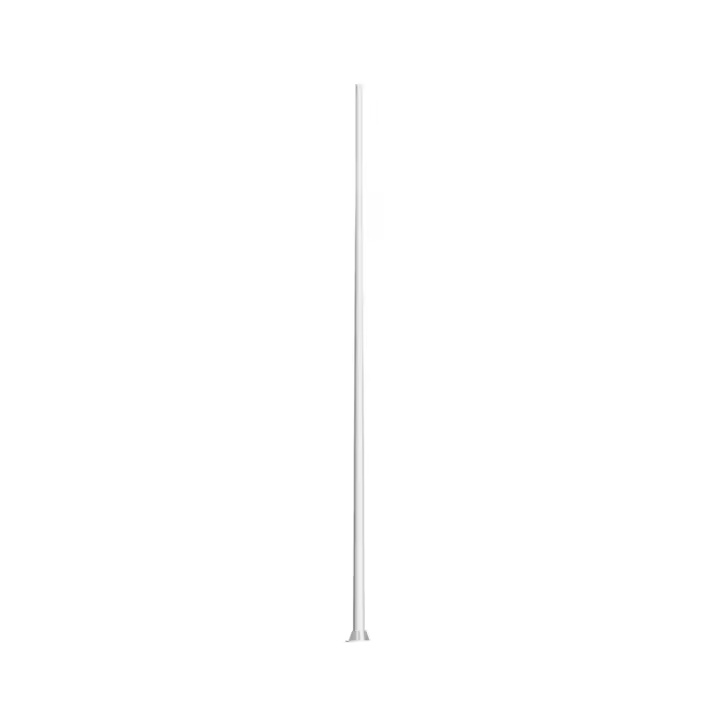
Q235 Steel Heavy-Duty Outdoor Cone Street Lighting Pole is designed for outdoor ...
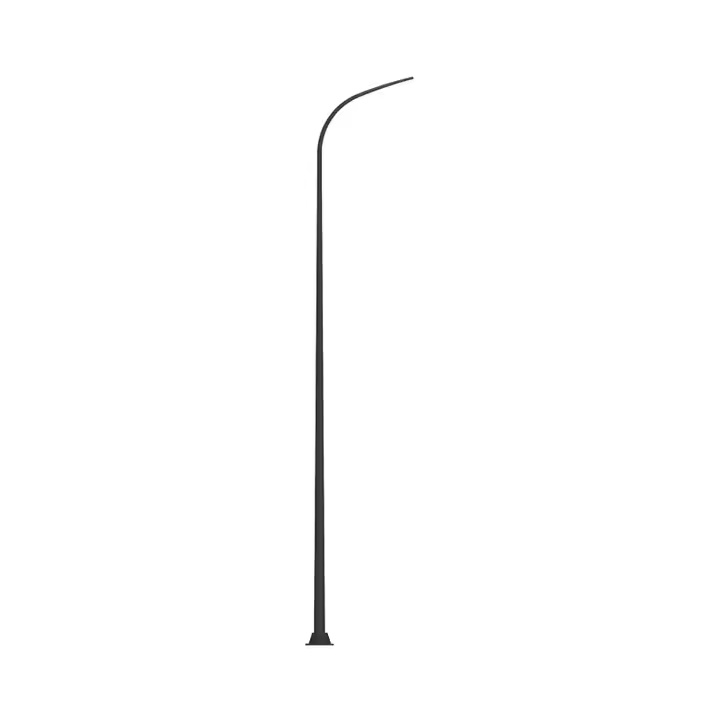
Hot Dip Galvanized Tapered Outdoor Street Light Pole is designed for outdoor lig...
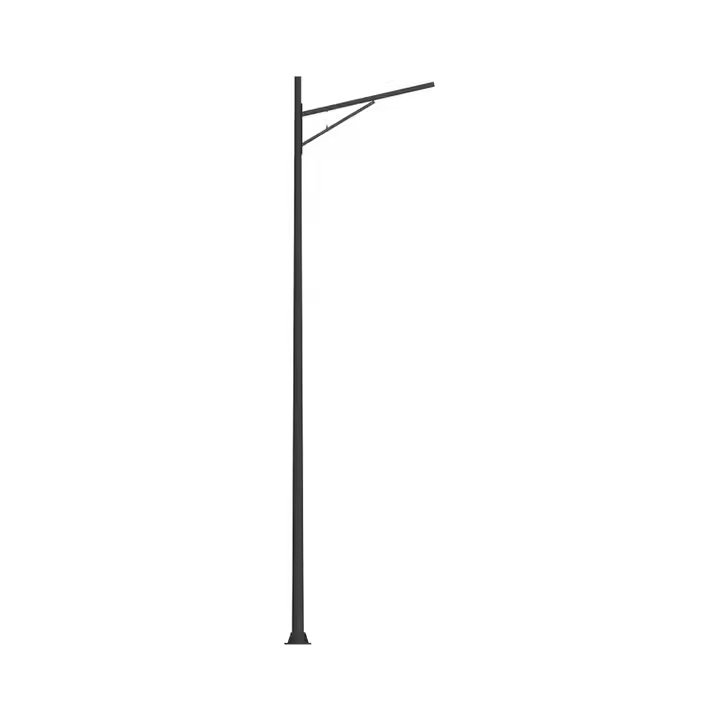
Flange Mounted Hot Dip Galvanized Street Light Pole is a durable outdoor lightin...
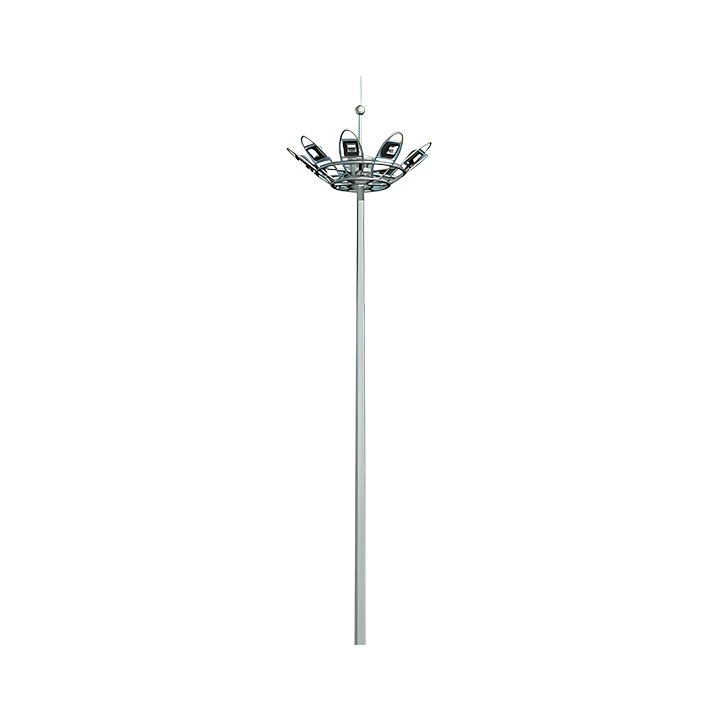
The steel lifting-type hot-dip galvanized high mast light pole is designed speci...
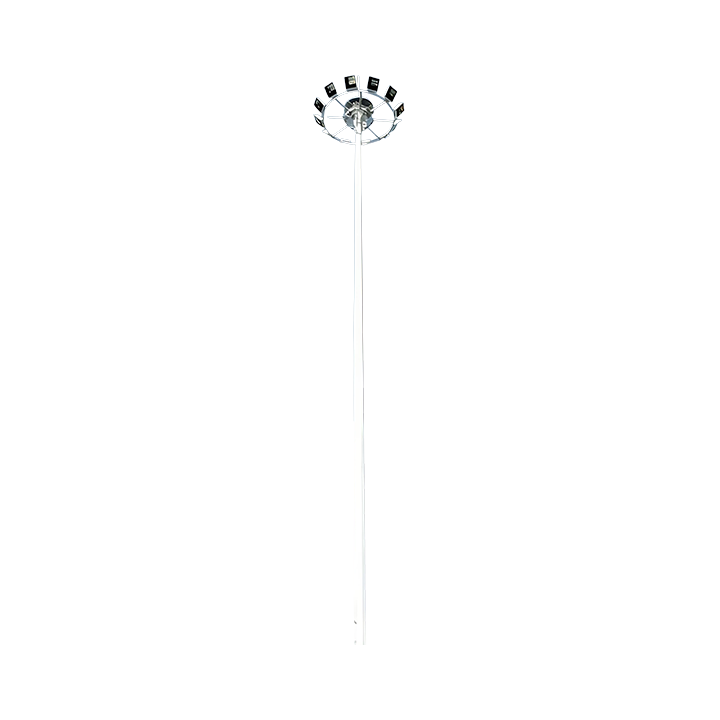
Steel Lifting Type High Mast Light Pole is designed for large-area outdoor light...
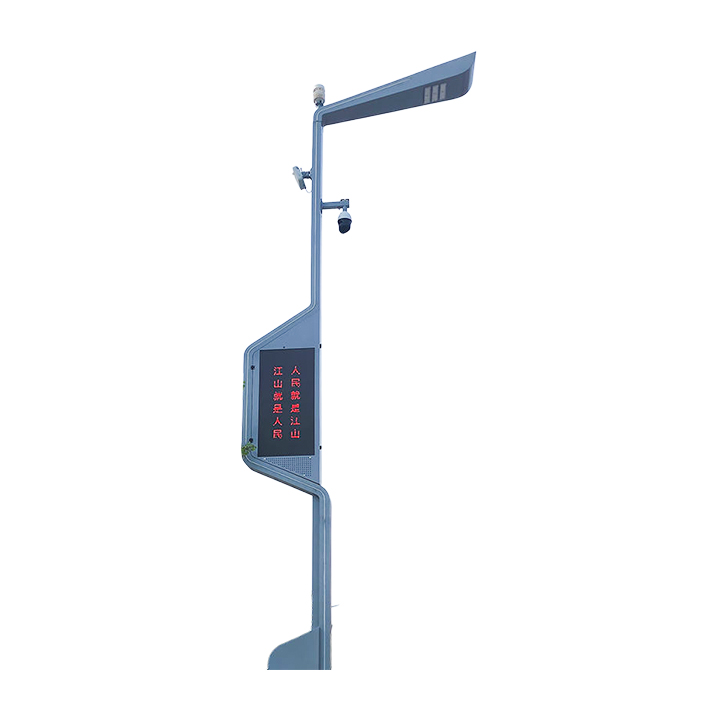
The Steel Multi-Functional Intelligent Traffic Monitoring Sign Pole is designed ...
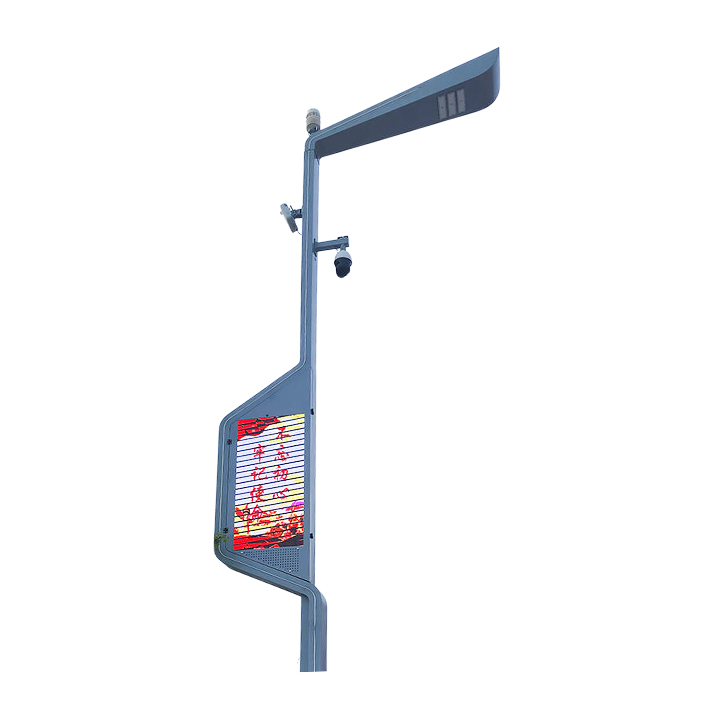
Octagonal Hot-Dip Galvanized Multi-Functional Steel Smart Light Pole is designed...
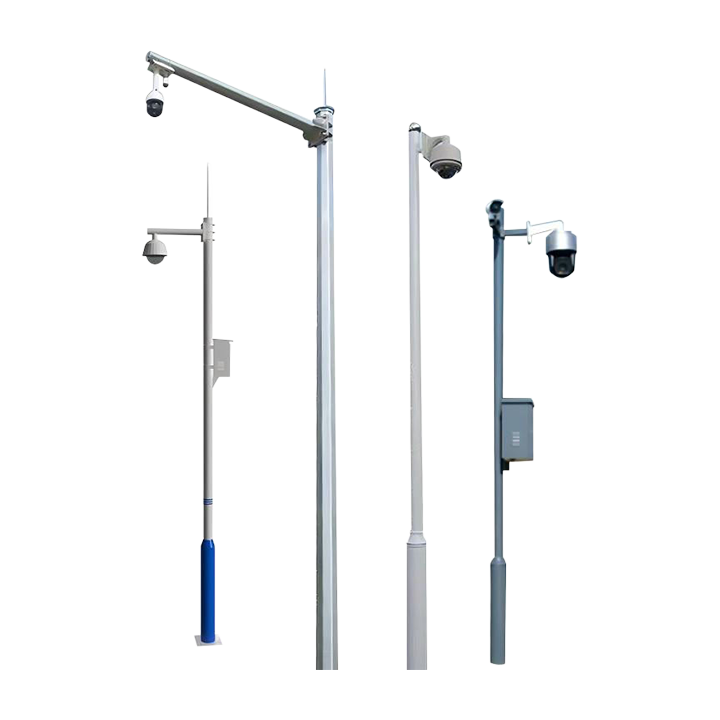
Traffic Camera Pole L Arm with Control Box for Urban Road Monitoring is designed...
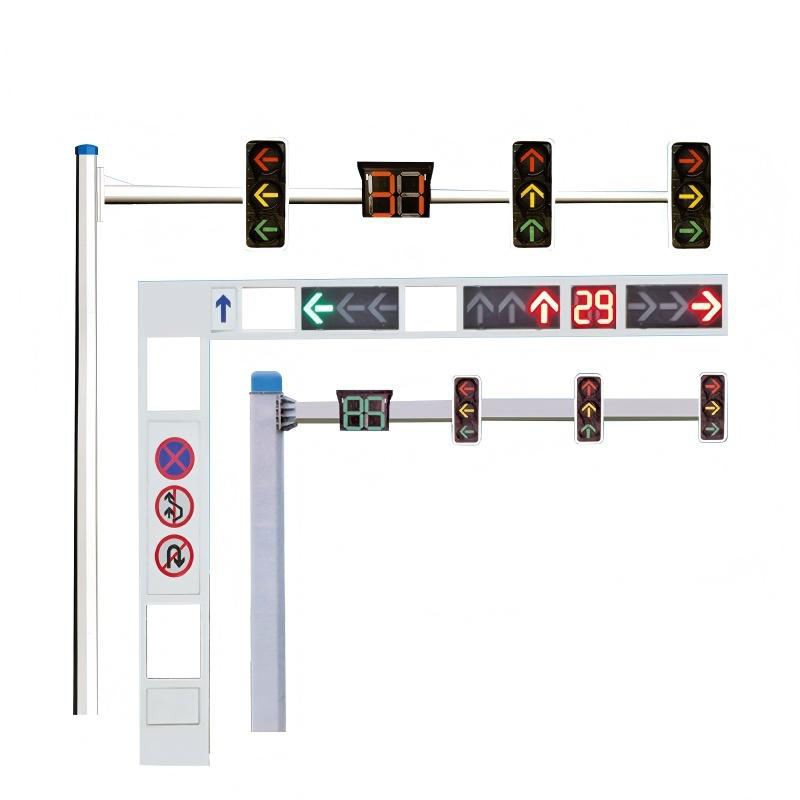
Traffic Light Mast Double Cantilever Arm for Road Junction Signal Control is des...
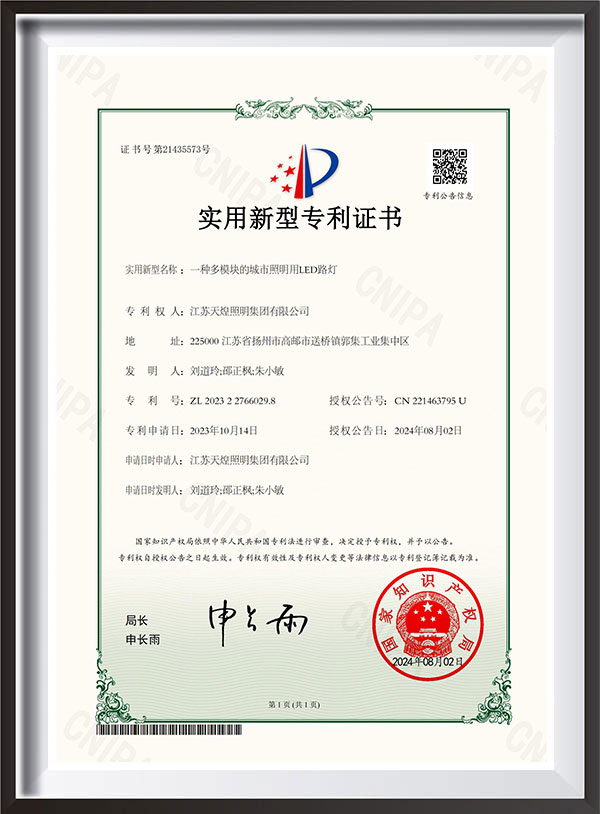
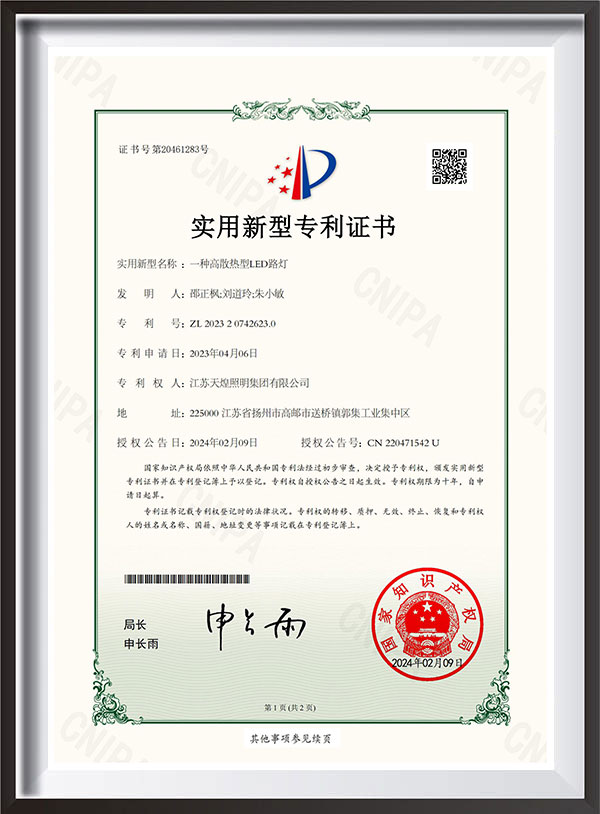
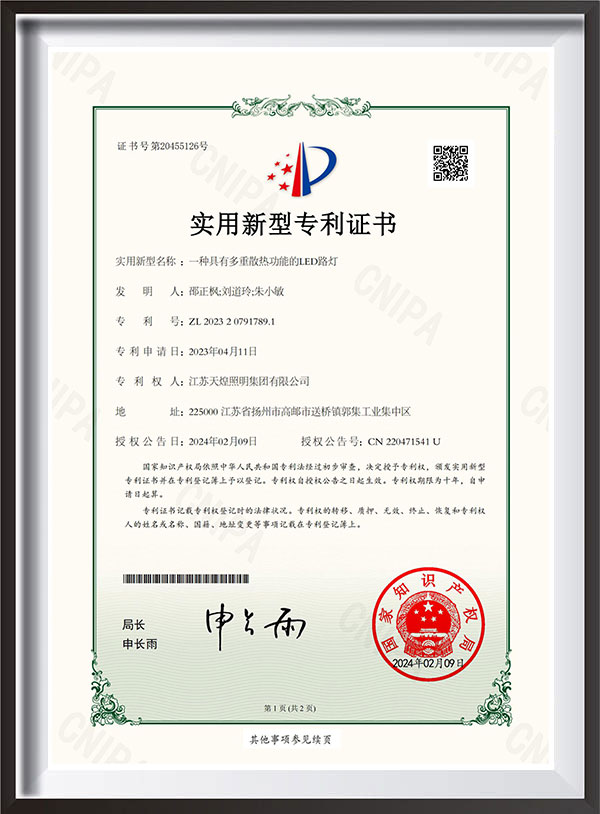
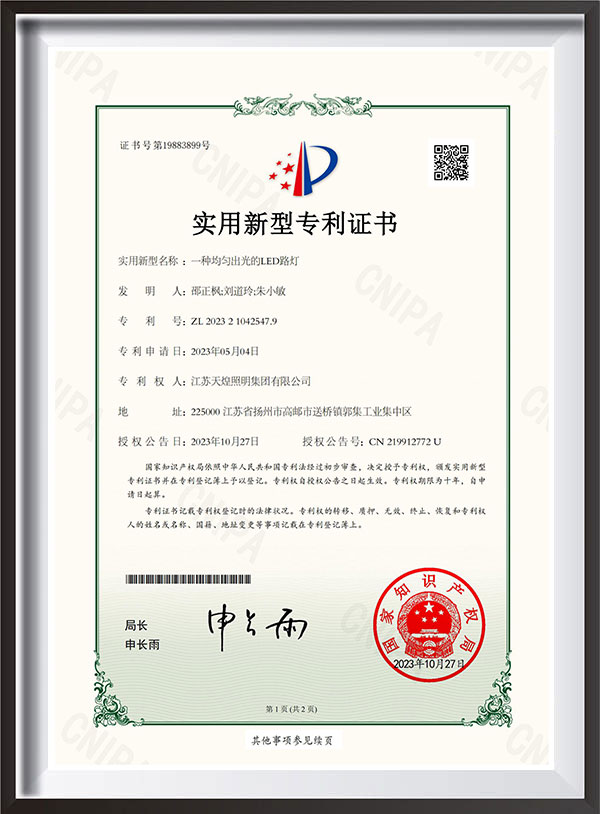
Why Solar Street Lights Are Worth It: The Short Answer Solar street lights offer a compelling combination of zero electricity costs, easy off-grid installation...
READ MOREWhat are the advantages of LED street lights? LED street lights outperform conventional alternatives — including high-pressure sodium (HPS) and metal halide la...
READ MOREWhat is a galvanized light pole? A galvanized light pole is a steel or iron pole that has been coated with a protective layer of zinc through a hot-dip galvani...
READ MOREA solar street light is an independent lighting system that uses solar photovoltaic (PV) technology as its energy source, enabling road illumination at night wi...
READ MOREHot-dip galvanizing is a metal anti-corrosion process. Steel components (such as light pole shafts) are immersed in a bath of molten zinc at approximately 450°C...
READ MOREA stadium light refers to a high-power, high-efficacy, high-reliability lighting system specifically designed for large sports venues and athletic fields. It is...
READ MOREA galvanized light pole is a steel or iron pole that has been coated through a hot-dip or electro-galvanizing process to form a protective zinc layer, dramatically extending its service life in outdoor environments. The conclusion is straightforward: galvanizing is not merely an option but an engineering necessity for street lighting infrastructure expected to perform for 25–50 years with minimal maintenance. As leading galvanizing light pole manufacturers and suppliers serving global markets, the industry has refined this process to deliver poles that resist corrosion, withstand wind loads exceeding 160 km/h, and meet international standards including EN 40, ASTM A123, and ISO 1461.
The galvanizing process works by immersing steel poles into molten zinc at approximately 450 °C. The zinc metallurgically bonds to the steel surface, creating layers of zinc-iron alloy topped by a pure zinc outer coating. This multi-layer structure provides cathodic protection—even when the surface is scratched or slightly damaged, zinc sacrifices itself to protect the underlying steel from rust. Independent field studies show that hot-dip galvanized poles in coastal and industrial environments retain structural integrity for an average of 34 years without recoating, compared to just 8–12 years for standard painted poles.
Galvanized light poles are manufactured in a wide variety of shapes—straight, tapered, octagonal, round conical, and polygonal—to serve roads, highways, sports facilities, parking lots, industrial yards, and smart city projects. The combination of structural strength, weather resistance, aesthetic adaptability, and low lifecycle cost makes galvanizing the dominant surface treatment chosen by municipalities, infrastructure developers, and private facility operators worldwide.
Understanding how reputable galvanizing light pole manufacturers execute the hot-dip galvanizing process helps buyers evaluate quality and set realistic expectations for product performance. The process involves multiple carefully controlled stages, each of which directly affects the durability of the final coating.
Steel poles first undergo degreasing in a hot alkaline solution to remove oils, grease, and shop primer. They are then acid-pickled in hydrochloric or sulfuric acid solutions to strip mill scale and rust. After rinsing, poles pass through a fluxing bath of zinc ammonium chloride, which prevents re-oxidation and promotes zinc adhesion. Any shortcut in surface preparation leads to bare spots, adhesion failures, or uneven coating thickness—quality-conscious manufacturers document surface preparation records for traceability.
Prepared poles are lowered into the molten zinc bath at 445–455 °C. Immersion angle, withdrawal speed, and bath chemistry (typically ≥98.5% pure zinc) all influence coating thickness and uniformity. Standard coating thickness for light poles ranges from 85 µm to 140 µm depending on steel grade, pole wall thickness, and project specification. Thicker coatings mean longer service life, particularly in aggressive chloride-rich coastal environments.
After withdrawal from the zinc bath, poles are quenched in water or air-cooled, then inspected for coating continuity using magnetic thickness gauges. Visual inspection checks for drips, sharp points, and bare spots. Quality manufacturers conduct salt spray tests (ASTM B117) on representative samples, confirming resistance beyond 1,000 hours. Certified documentation including mill certificates, zinc bath records, and coating thickness reports should accompany every delivery from responsible galvanizing light pole suppliers.
The diagram above illustrates the complete hot-dip galvanizing workflow employed by certified galvanizing light pole manufacturers. Each stage—from alkaline degreasing to final QC inspection—must be executed within strict process parameters to guarantee a uniform, adherent zinc coating. Skipping or rushing any step compromises the protective integrity of the finished pole. Reputable suppliers publish detailed process control records and welcome third-party audits of their galvanizing lines, which is a strong indicator of manufacturing quality and transparency. Buyers sourcing galvanized light poles at scale should request batch-specific coating thickness reports and verify compliance with ISO 1461 or equivalent national standards before finalizing orders.
One of the most important decisions when sourcing from galvanizing light pole suppliers is specifying the correct coating thickness for the intended environment. Research published by the American Galvanizers Association correlates zinc coating thickness directly with corrosion-free service life across four environmental categories: rural, suburban, industrial, and marine/coastal.
The horizontal bar chart above illustrates expected corrosion-free service life for galvanized light poles across four typical deployment environments, assuming a standard 85 µm zinc coating. Rural environments offer the most favorable conditions, with service life projections reaching 50 years, while marine or coastal zones—where salt spray accelerates zinc consumption—yield approximately 20 years before maintenance attention is needed. This data strongly supports the practice of specifying thicker coatings (≥100 µm) for coastal and industrial projects, even though they carry a modest upfront cost premium. Buyers consulting galvanizing light pole manufacturers should always disclose the installation environment so that coating specifications can be matched to actual exposure conditions. Choosing an inadequately thin coating to reduce initial costs can result in substantially higher total lifecycle expenditures when premature replacement is factored in.
| Environment | Min. Coating (µm) | Recommended (µm) | Expected Life (years) |
|---|---|---|---|
| Rural / Dry | 70 | 85–100 | 40–50 |
| Suburban / Temperate | 85 | 100–115 | 30–40 |
| Urban / Industrial | 100 | 115–130 | 20–30 |
| Marine / Coastal | 115 | 130–140 | 15–20 |
Experienced galvanizing light pole suppliers offer a diverse product portfolio because no single pole design meets every infrastructure need. The choice of shape, height, base configuration, and arm design is driven by wind load calculations, luminaire weight, road classification, and aesthetic requirements set by municipal planners.
The most widely produced type globally, straight round conical poles feature a continuously tapering profile from base to tip. Heights range from 6 m to 14 m for street lighting and up to 25 m for highway and interchange applications. The circular cross-section distributes wind load uniformly, making these poles ideal for high-wind coastal regions. Wall thickness typically ranges from 3.5 mm to 6 mm, and base diameters are engineered to match standard anchor bolt patterns from 200 mm to 380 mm.
Octagonal poles offer a more architectural appearance and are favored for urban streetscapes, park pathways, and commercial districts. The flat faces allow easier cable entry and provide a clean surface for powder-coat color finishes applied over the galvanized base coat. Polygonal poles with 12 or 16 sides are increasingly specified for boulevard and decorative lighting projects where visual harmony with surrounding architecture is important.
High mast galvanized poles, ranging from 20 m to 40 m in height, support luminaire rings carrying 6 to 20 floodlights for airports, seaports, large parking areas, and sports venues. The internal cable management and winch lowering system require precision fabrication that only well-equipped galvanizing light pole manufacturers can consistently deliver. Hot-dip galvanizing is especially critical for high mast poles because recoating at height is costly and operationally disruptive.
The column chart above compares the maximum typical installation heights for four major categories of galvanized light poles. High mast poles stand clearly apart at up to 40 meters, reflecting their role in illuminating very large open areas where multiple lower poles would be impractical or cost-prohibitive. Round conical poles, reaching up to 25 m, cover the broadest range of applications from residential streets to major arterial roads and highway interchanges. Octagonal poles top out around 18 m and are the preferred choice when aesthetics must be balanced with structural performance in medium-density urban environments. Decorative poles at up to 12 m serve pedestrian zones, parks, and plazas where scale, proportion, and visual appeal are primary design drivers. Understanding the height range appropriate for each application allows project planners to communicate precise requirements to galvanizing light pole manufacturers and avoid over-specification or under-specification errors that can significantly affect project economics.
The global market for galvanized light poles has expanded consistently over the past decade, driven by rapid urbanization in Asia, Africa, and Latin America, the worldwide rollout of LED street lighting upgrade programs, and increasing investment in smart city infrastructure. Market research indicates the street lighting pole market was valued at approximately USD 8.2 billion in 2023 and is projected to grow at a compound annual growth rate (CAGR) of 5.8% through 2030, with galvanized steel poles maintaining the dominant product segment share of over 62%.
The line chart above tracks the estimated global market value of the galvanized light pole sector from 2018 through 2025, with 2024 and 2025 shown as projections. The upward trajectory reflects both volume growth—more poles being installed annually—and gradual increases in average selling prices driven by raw material costs and rising specification requirements. The market accelerated notably from 2020 onward as pandemic-era infrastructure stimulus packages in multiple countries fast-tracked road and city lighting upgrade projects. Asia-Pacific, led by China, India, and Southeast Asia, accounts for approximately 48% of global demand, while the Middle East and Africa represent the fastest-growing regional segments at an estimated CAGR of 7.2% through 2028. For galvanizing light pole manufacturers and suppliers, this growth environment rewards companies that can combine quality, customization capability, and reliable delivery at competitive lead times. Understanding these market dynamics helps procurement teams anticipate supply chain pressures and plan sourcing strategies with sufficient lead time, particularly for large infrastructure projects with fixed completion deadlines.
Selecting the right manufacturing partner is as important as selecting the right product specification. The following criteria should guide procurement decisions when comparing galvanizing light pole manufacturers and evaluating their supply capabilities.
The radar chart above maps an ideal supplier capability profile across six critical evaluation dimensions: certifications, engineering depth, production capacity, export experience, galvanizing quality control, and availability of independent test reports. A supplier scoring consistently near the outer edge on all six dimensions represents a low-risk, high-capability partner for significant infrastructure procurement. In practice, most suppliers excel in two or three dimensions and have relative gaps in others—understanding these gaps allows buyers to compensate through contractual provisions, third-party inspection, or supplementary testing. Quality of galvanizing process control and the availability of independent test reports are the two dimensions that most directly predict long-term product performance in the field. Export experience matters particularly for international projects where customs documentation errors, inadequate export packaging, or unfamiliarity with destination-country standards can cause costly delays. Buyers should use this framework as a structured scoring tool when conducting RFQ evaluations across multiple galvanizing light pole manufacturers and suppliers, assigning weightings that reflect project-specific risk priorities.
A frequent objection to specifying galvanized poles from premium suppliers is the higher initial unit cost compared to painted or coated alternatives. A rigorous 30-year lifecycle cost analysis consistently reverses this perception. When maintenance labor, recoating materials, premature replacement costs, and road closure expenses for maintenance access are accounted for, hot-dip galvanized poles deliver lifecycle savings of 40–65% compared to painted steel poles in typical urban environments.
| Cost Component | Painted Steel Pole | Hot-Dip Galvanized Pole |
|---|---|---|
| Initial Purchase | USD 220 | USD 310 |
| Recoating / Repainting (×3 over 30 yrs) | USD 270 | USD 0 |
| Structural Inspection Cost | USD 120 | USD 45 |
| Premature Replacement Allowance | USD 180 | USD 30 |
| Total 30-Year Cost | USD 790 | USD 385 |
The data above demonstrates that the painted steel pole costs more than twice as much over a 30-year horizon despite its lower purchase price. The maintenance cost differential is particularly stark: painted poles typically require recoating every 7–10 years in urban environments, while properly galvanized poles require no recoating during the same period. Municipal budget offices and infrastructure asset managers should incorporate this lifecycle perspective into their procurement evaluation criteria rather than making decisions based on line-item unit cost alone. Galvanizing light pole manufacturers and suppliers with strong technical teams can provide project-specific lifecycle cost models tailored to local labor rates, material costs, and environmental conditions.
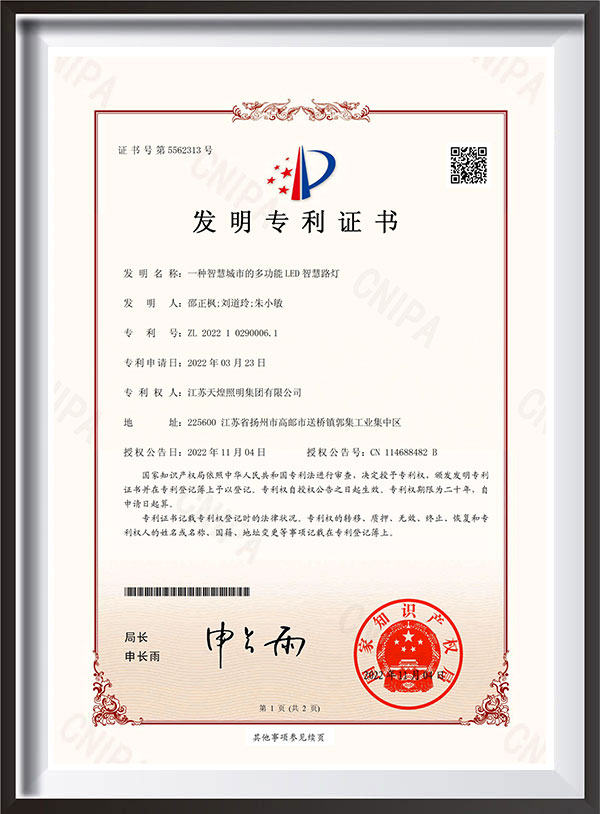
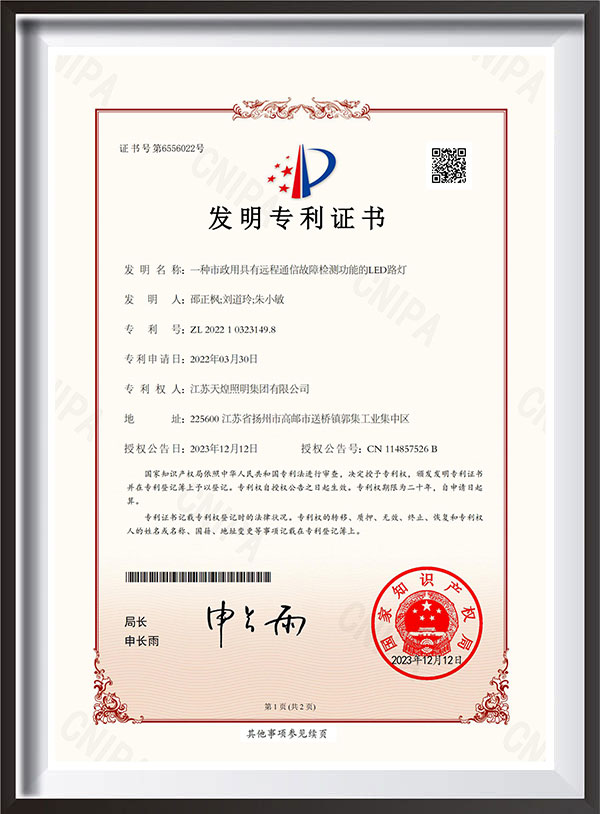
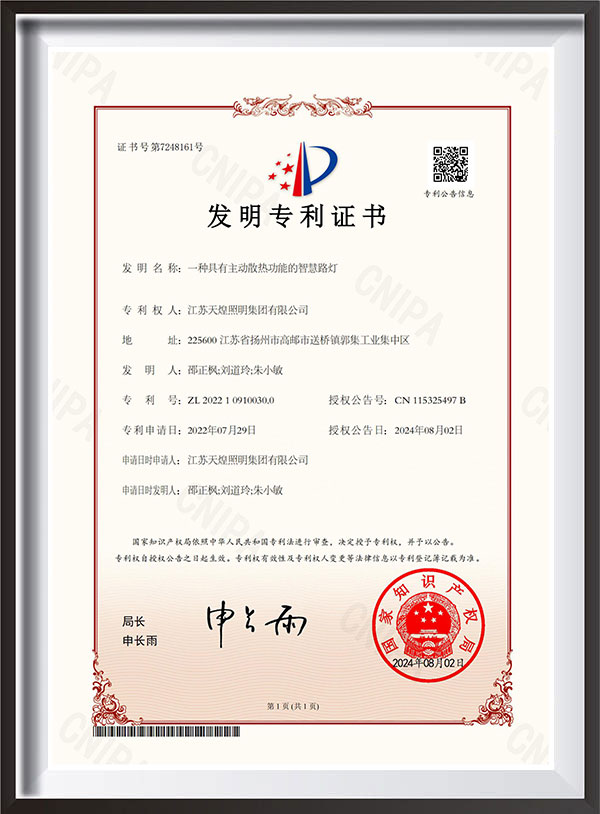
Founded in January 2009, Jiangsu Tianhuang Lighting Group Co., Ltd. is a leading manufacturer of solar LED lighting, street lights, stadium lights, light poles, high mast poles, and highbay lights in China. The company was established after the strategic merger of Huxi Lighting Factory, Longxiang (established 2002), and Feilong (established 2004), combining decades of accumulated manufacturing expertise into a single integrated operation. Headquartered in Guoji Town, Gaoyou City, Yangzhou—a location recognized for excellent logistics connectivity—Tianhuang serves domestic and international customers across more than 60 countries.
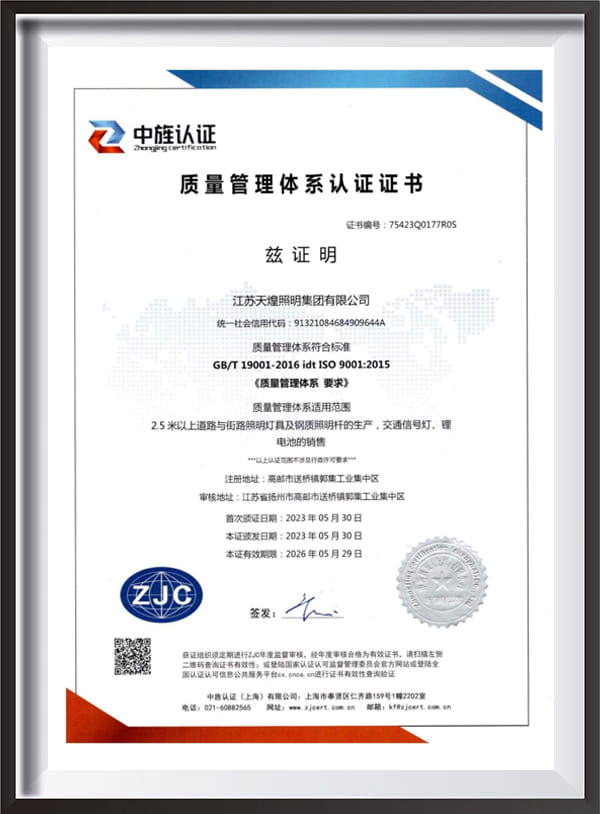
As one of China's established galvanizing light pole manufacturers, Jiangsu Tianhuang operates vertically integrated production facilities encompassing steel fabrication, hot-dip galvanizing, powder coating, and LED luminaire assembly. This vertical integration ensures consistent quality control across the entire supply chain, from raw material selection through to finished product inspection and export packaging. The company holds ISO 9001:2015 quality management certification and complies with EN 40, IEC, and ASTM standards for pole structural performance and galvanizing quality.
Jiangsu Tianhuang's engineering team provides comprehensive technical support, including wind load structural calculations, custom anchor bolt pattern design, luminaire compatibility analysis, and project-specific coating specifications. As both a manufacturer and direct supplier, the company eliminates intermediary markups, offering competitive pricing without compromising on the engineering and quality standards that international infrastructure projects demand.


Copyright © JIANGSU TIANHUANG LIGHTING GROUP CO.,LTD. All Rights Reserved.
China Galvanizing Light Pole Manufacturer Custom Galvanizing Light Pole Supplier